
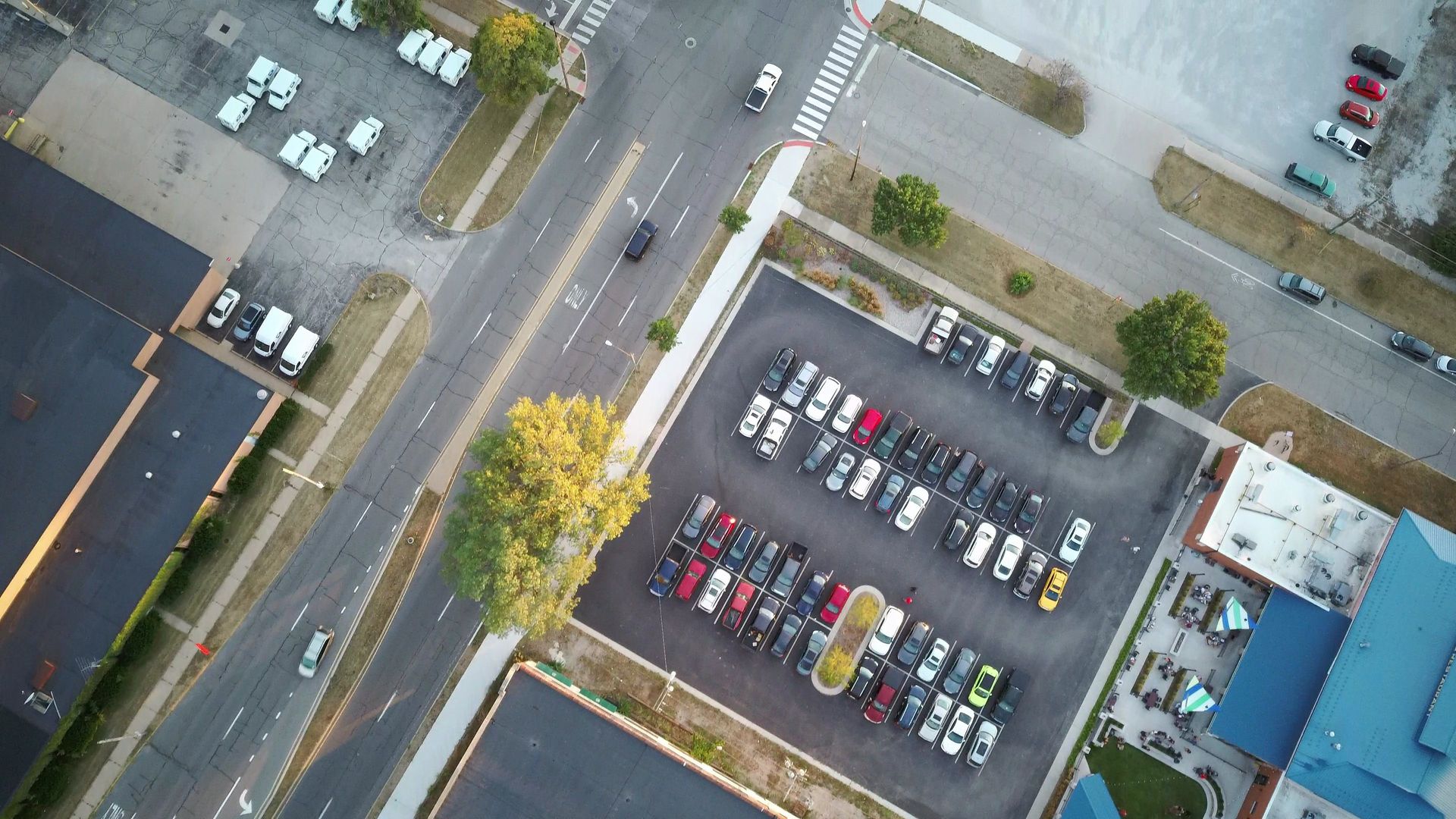
EVCharge4U serves schools, municipal fleets, and city yards, and protects your investment with OCPP open-protocol charging and smart load management.
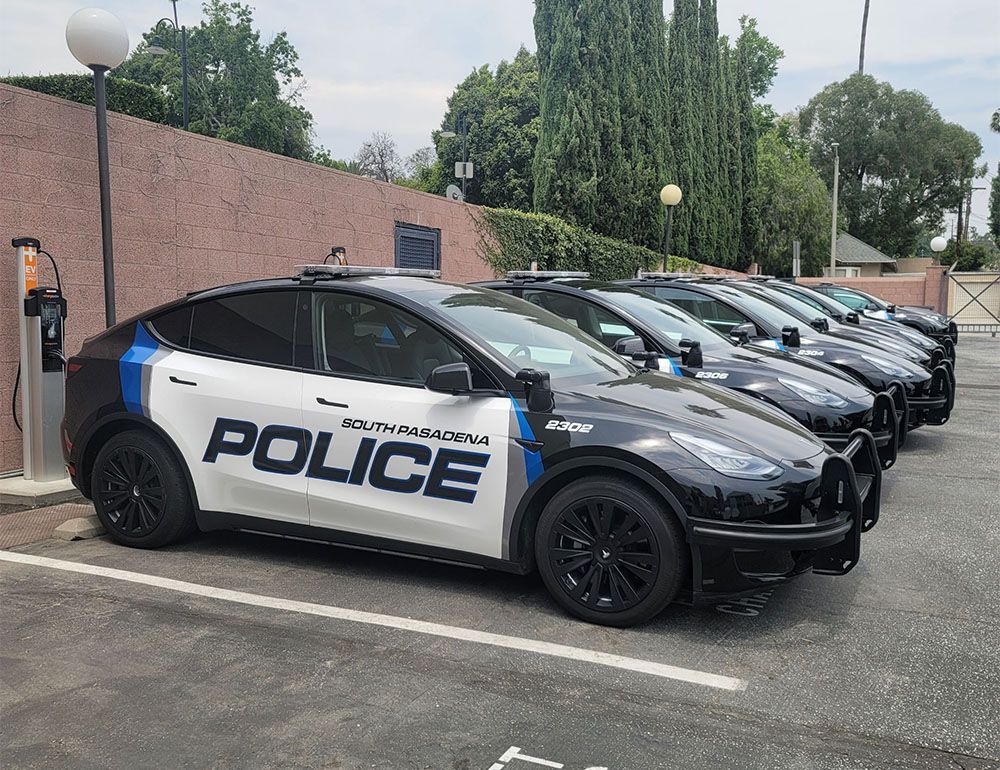
South Pasadena electrifies its police fleet with 20 Teslas. Contact us for EV charging solutions to support your fleet transition.
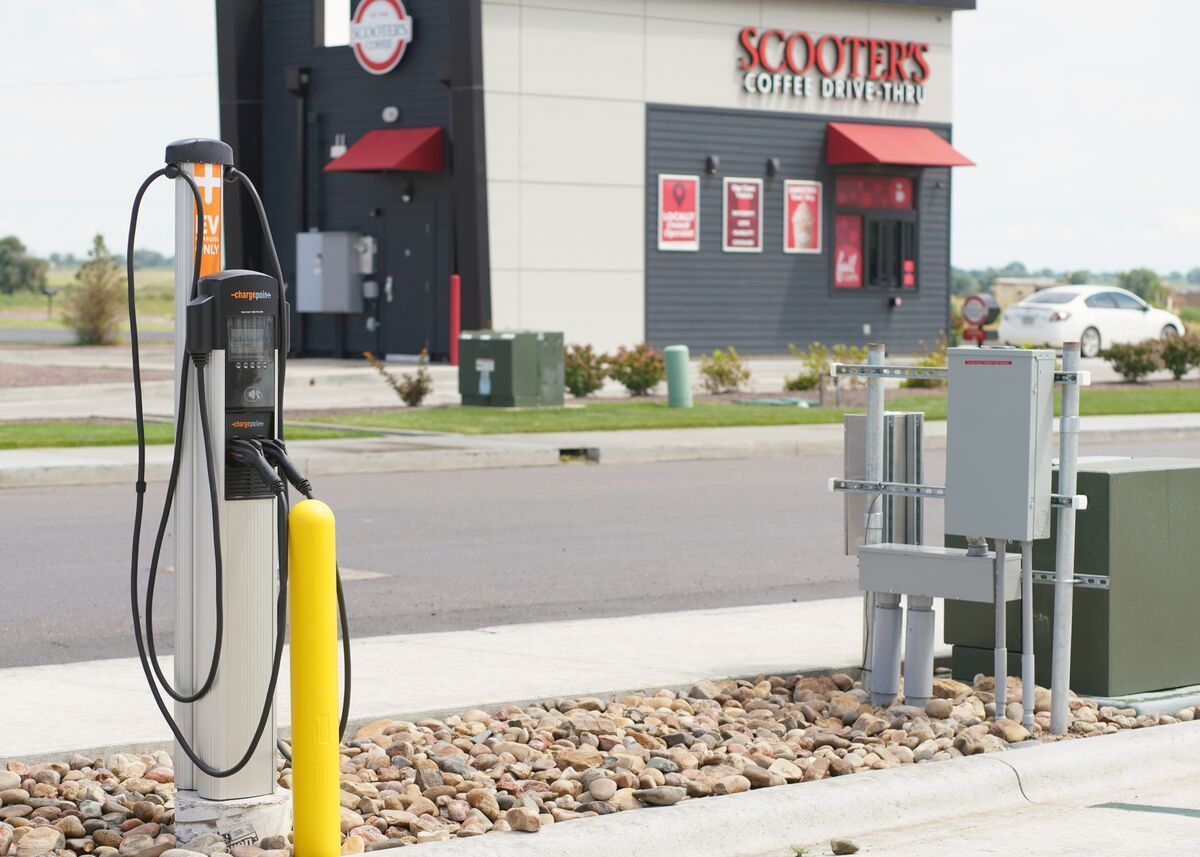
Public EV chargers are set to surpass gas stations in 8 years. Contact us for expert installation of charging stations today!
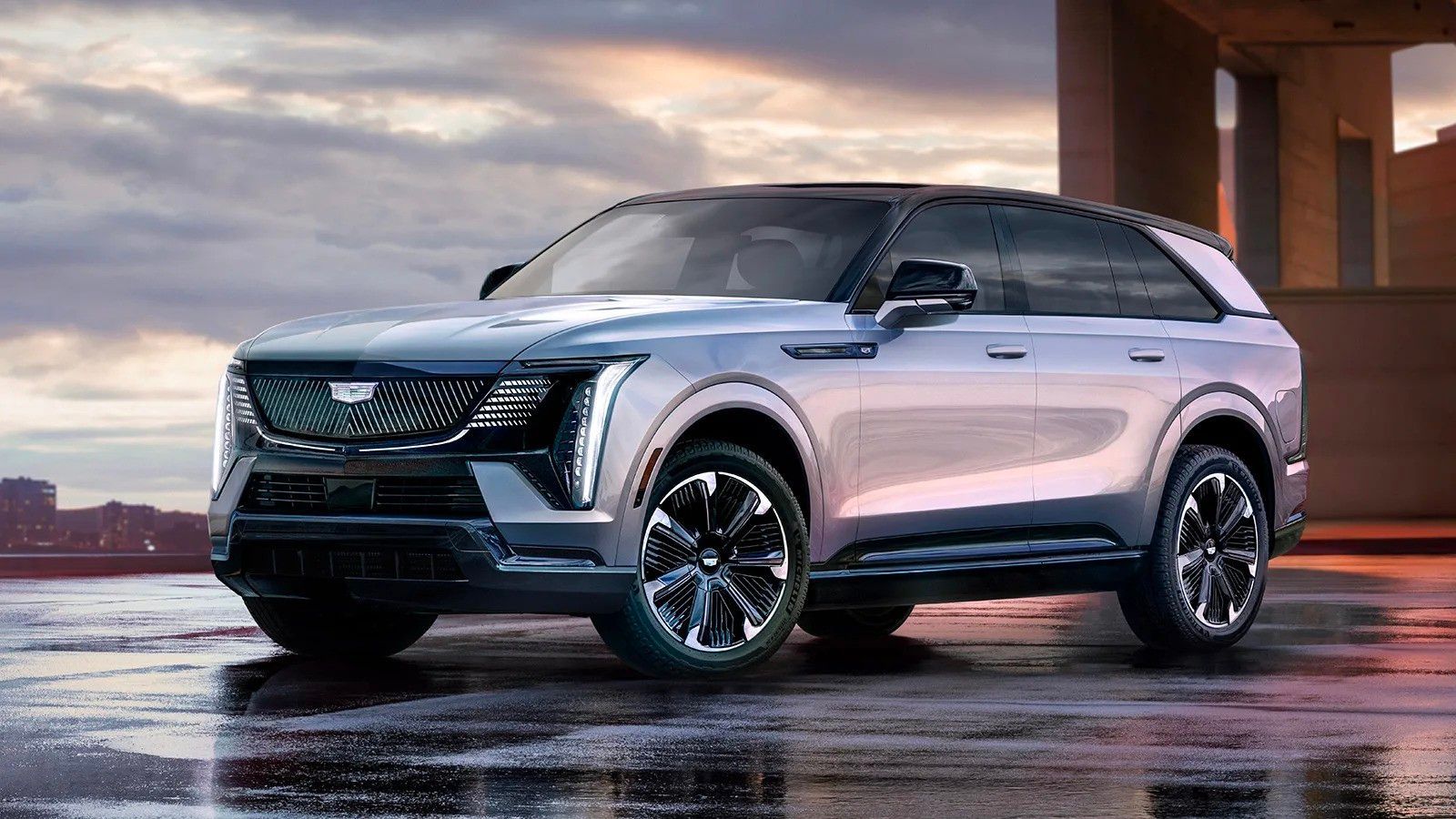
Get expert EV charging station installation for homes & businesses. Contact us for a quote today!
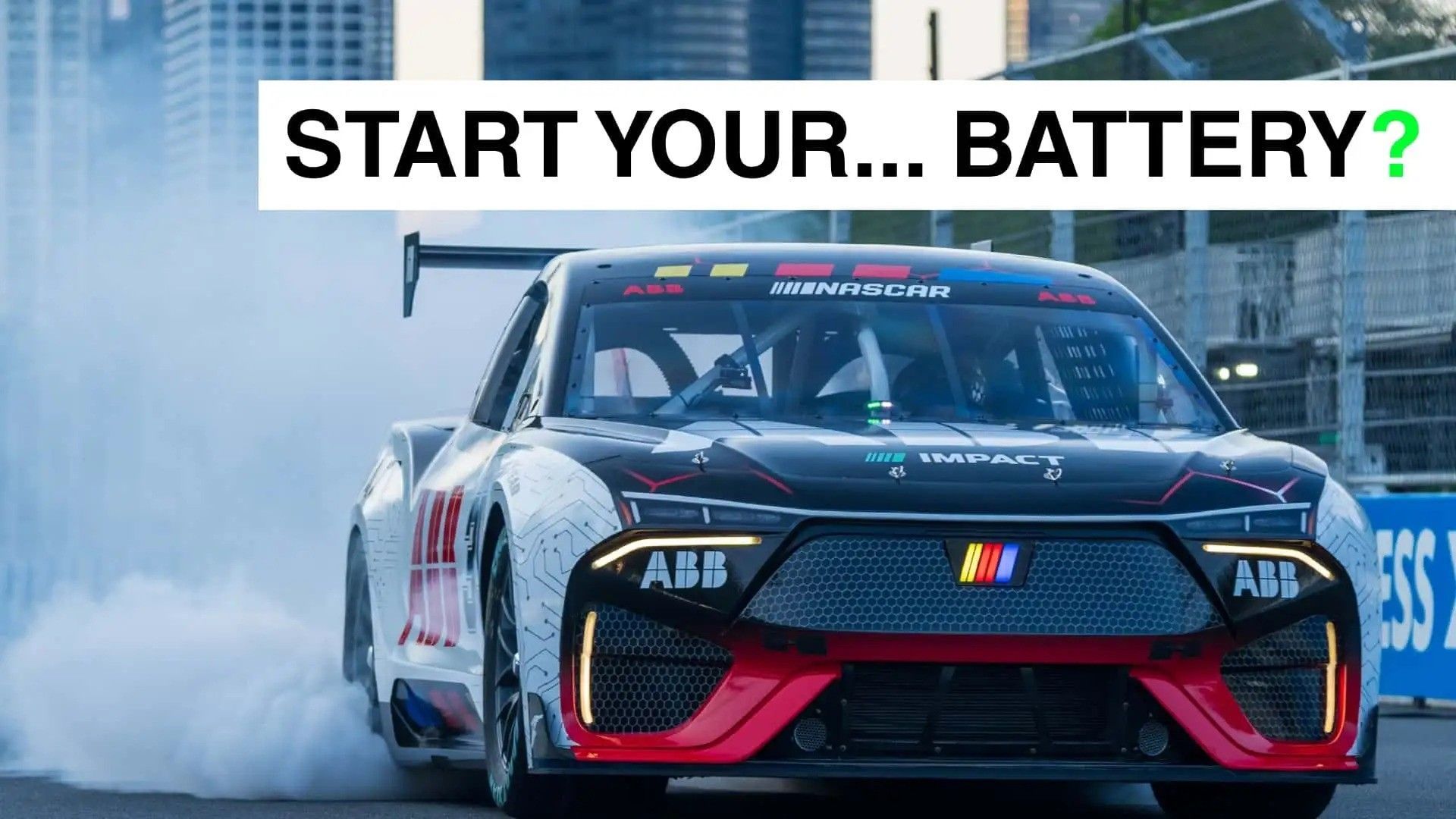
NASCAR's shift to electric racing sparks debate. Learn how EVCHARGE4U can help you transition to EV charging solutions today!
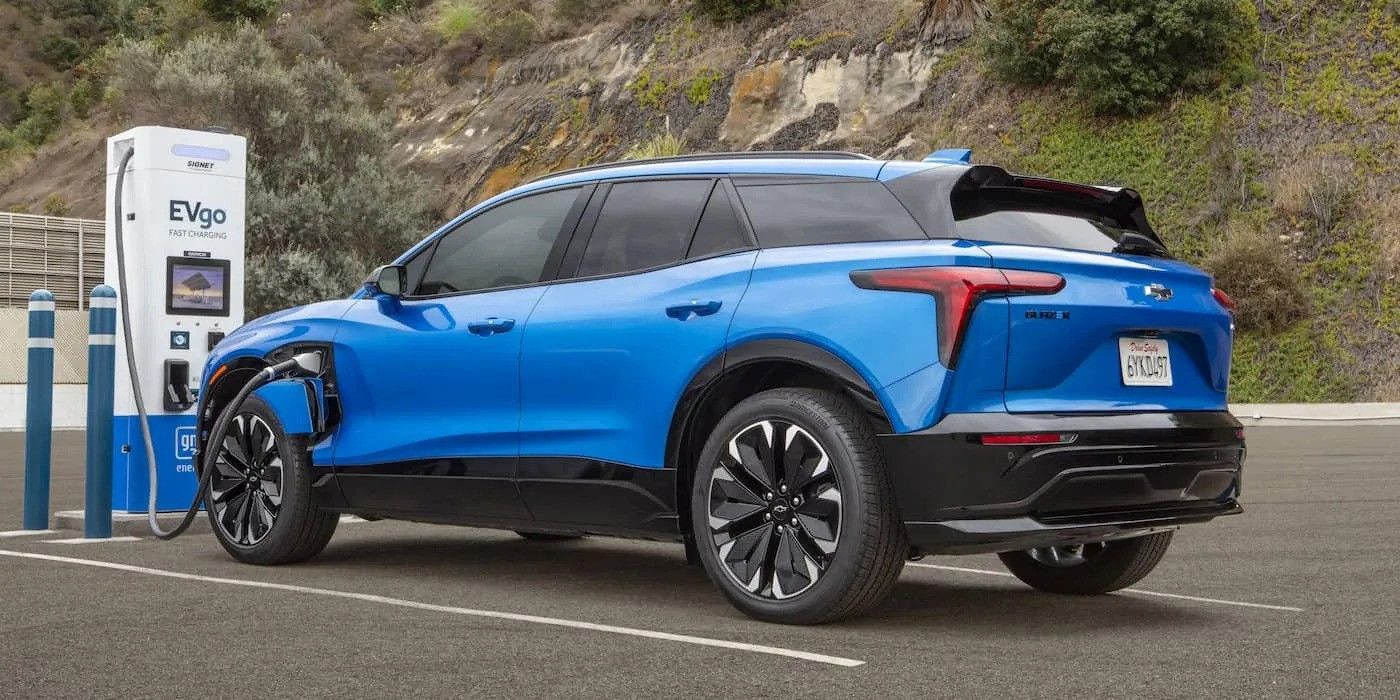
GM sets new EV sales records with Blazer & Equinox. Upgrade your home or business charging today!
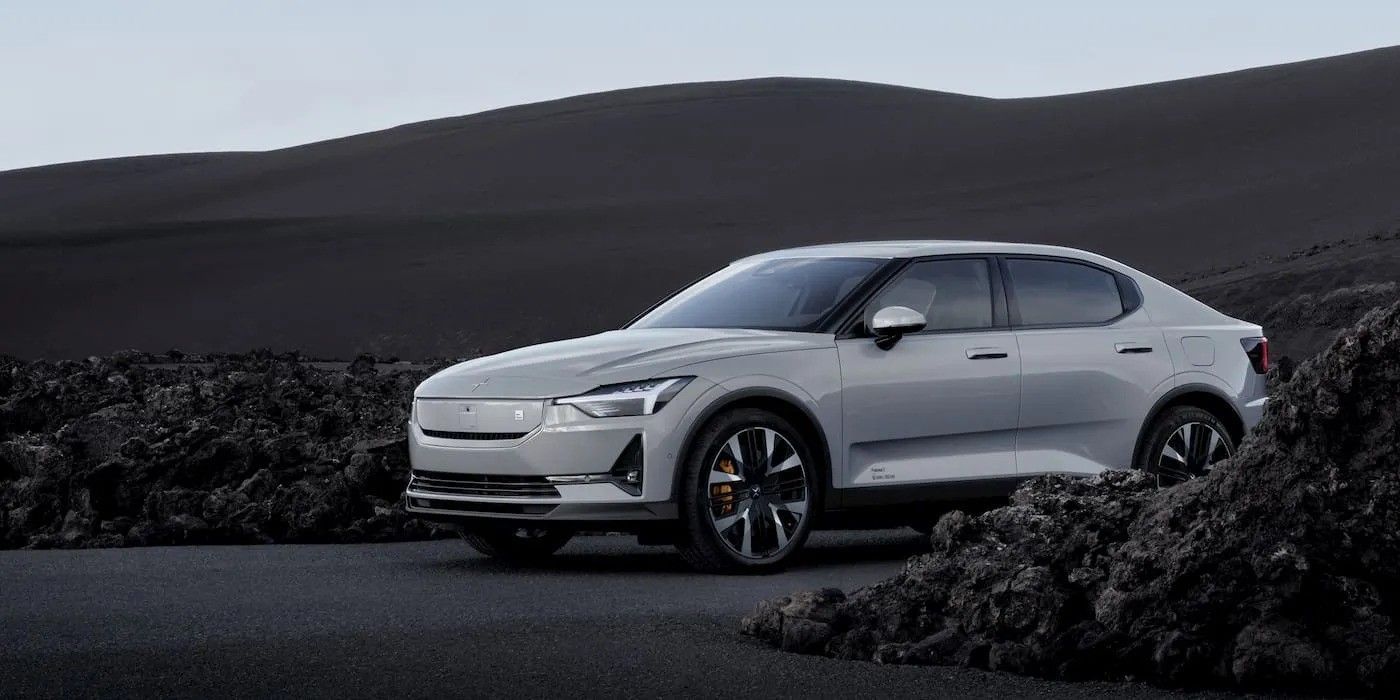
Polestar launches the 2025 Polestar 2 with enhanced range. Contact us for expert EV charging solutions today!
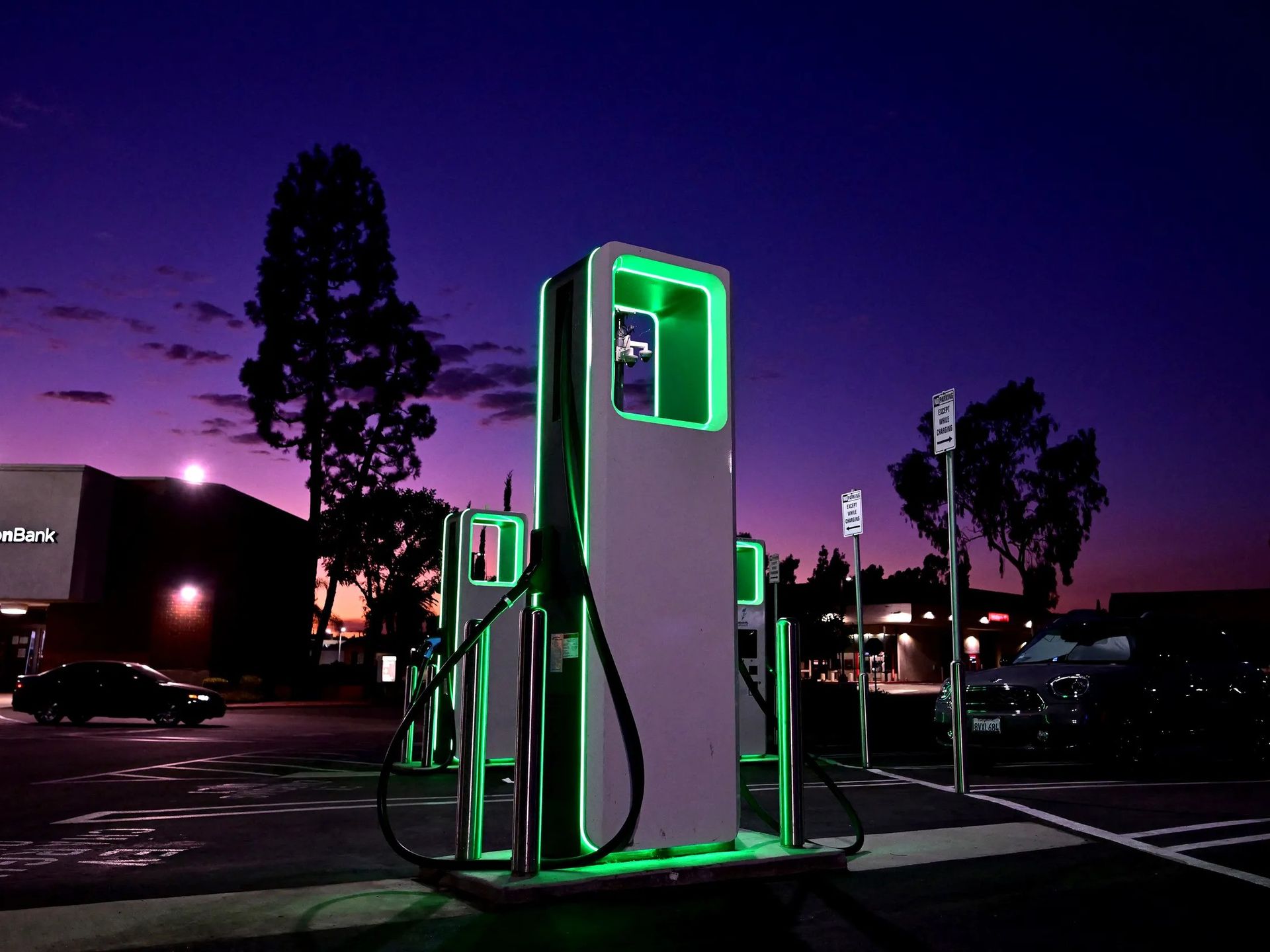
Learn how many charging stations the U.S. needs to replace gas stations. Contact us for expert EV charging solutions today!
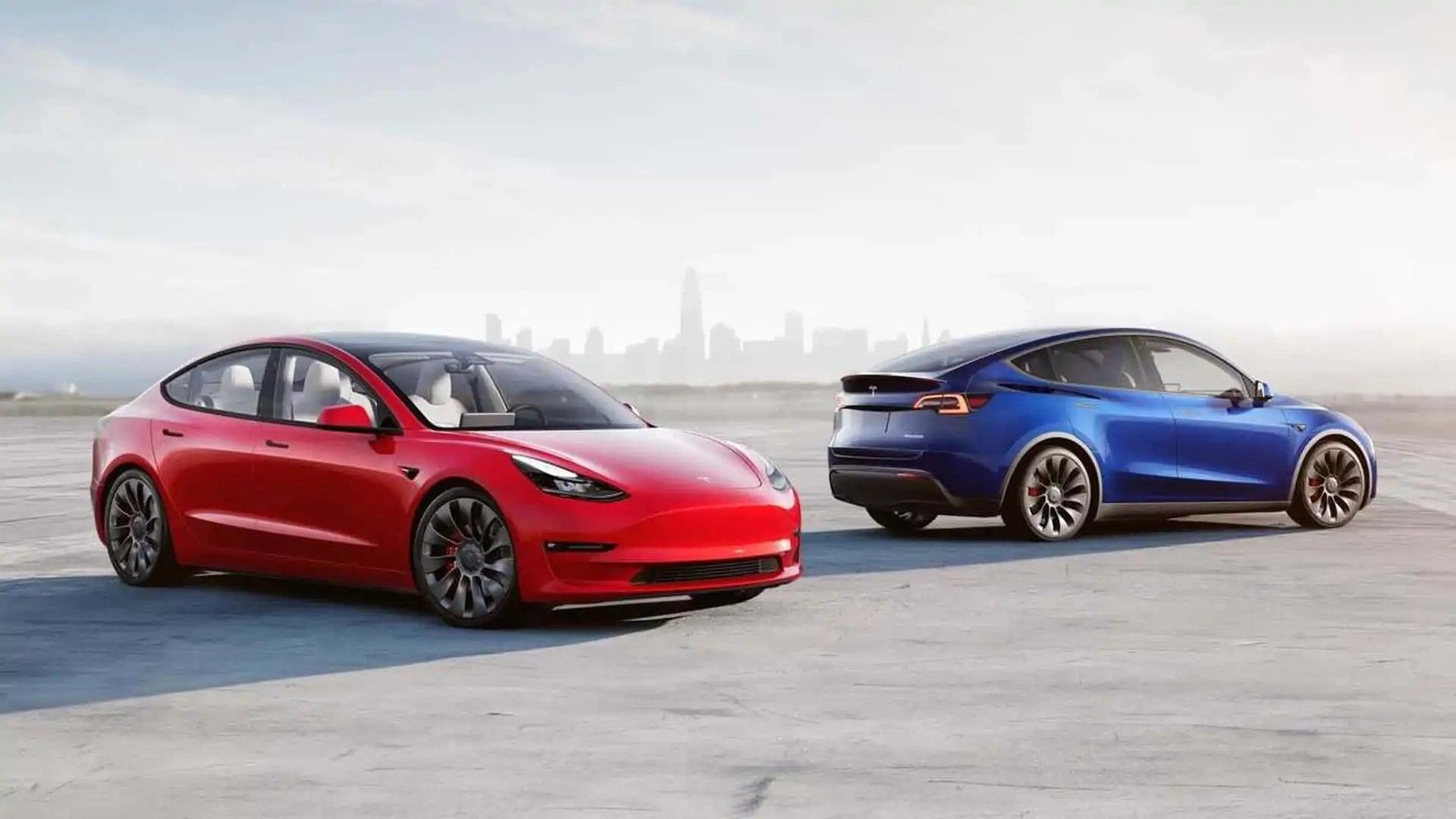
Used EV prices have dropped below gas cars. Learn more about this trend and how we can help with your EV charging needs.
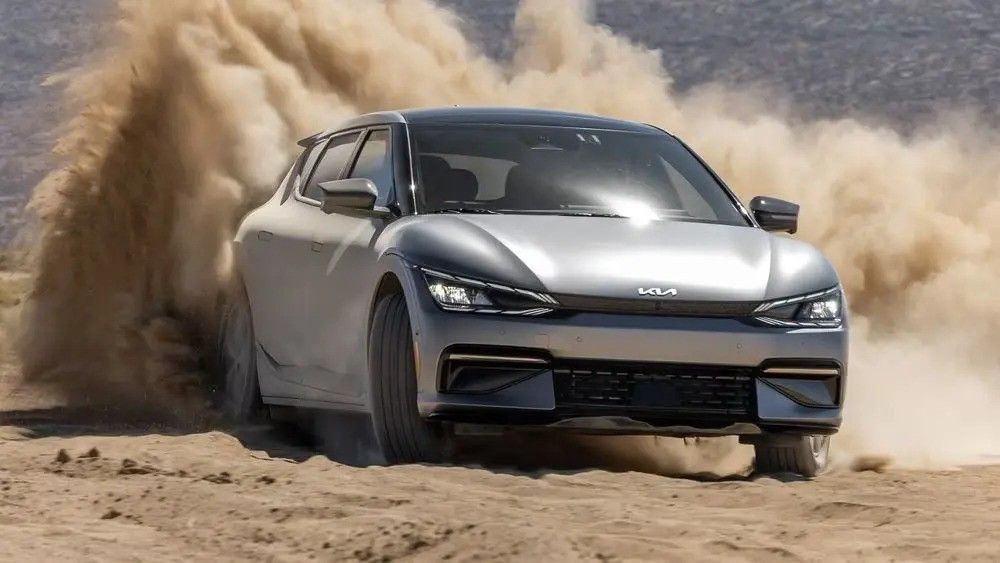
Explore the rise of rear-wheel drive in EVs. Contact us for expert charging solutions today!