Here's Why EVs Don't Go as Far in the Cold

Peter Valdes-Dapena for CNN • January 17, 2024

Share this article

Written by Peter Valdes-Dapena for CNN

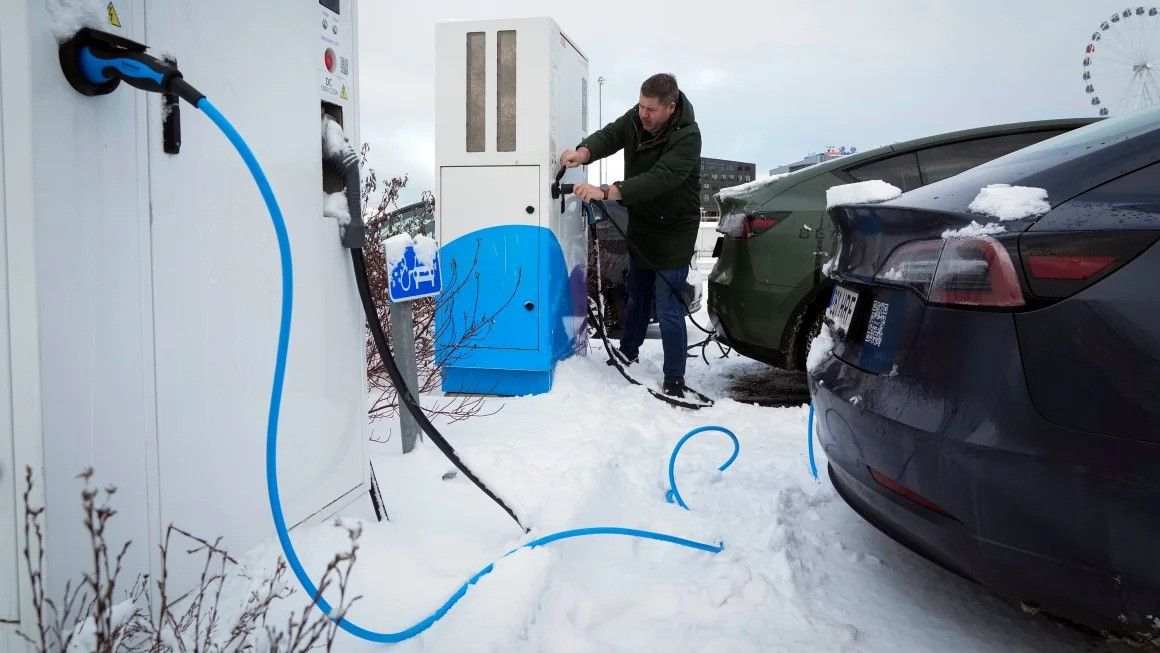
A driver charges an electric car at a parking lot of a shopping mall in Tallinn, Estonia, Saturday, Feb. 11, 2023. Many electric vehicle batteries lose power when it's very cold. (AP Photo/Sergei Grits)

With temperatures bottoming out across the country, electric vehicle drivers are probably noticing their driving range plummeting. Here's why it keeps happening – and there's more to it than you might think.

Tests by the consumer advocacy group Consumer Reports showed that EV driving range dropped by about 25% in highway cruising , on average, in sub-freezing weather, compared to days with warmer outside temperatures.

There are two main reasons for the drop in driving range, or how far the car can go before recharging: The battery, and the driver. Both human beings and EV batteries work best within a similar temperature range, which is roughly in the mid-60s degree to mid-70s Fahrenheit, said Andy Garberson, head of marketing for EV battery research company Recurrent.

Batteries operate through chemical reactions with electrons and ions moving from one side of the battery to the other. When it gets too cold, all sorts of chemical reactions slow down, including those taking place in a battery. That means driving range is reduced.

But human beings also don't function so well in the cold. When we're driving on a cold day, we need to turn up the heat. That's actually a much bigger factor in reducing EV range than the effect of temperature on the battery itself, said Garberson.

In a gasoline-powered car, turning on the heater hardly impacts fuel economy at all. That's because gas engines make lots of heat all the time, in summer and winter. In fact, when your car burns gasoline to drive, more of the energy gets turned into waste heat than motion. Routing some of extra that heat into the cabin to keep occupants warm is no trouble at all.

Electric motors and batteries, on the other hand, produce very little waste heat. That's part of the reason why they're so efficient, as almost all the energy from the batteries is used for driving. But when the cabin needs heating, the energy used for that gets subtracted from the miles that can be driven. That means driving range can drop considerably.

In Consumer Reports' EV tests, taking lots of short trips made things substantially worse. Every time the vehicle stopped and the cabin cooled down it had be reheated again when the vehicle started, sapping more energy, and doubling the amount of range lost.

Fortunately, most newer EV models have very efficient heat pump heating systems that help minimize the impact. But even those systems have their limits, and don't work well when temperatures drop below about 14 degrees Fahrenheit, said Garberson.

"They're considerably more efficient for heating, whether it's your house or your water heater or your car, so you're just drawing less energy to heat your cabin," he said.

Still, heating the cabin causes substantial range losses, he said.

EV charging times are longer when the temperature is cold. Charging, just like discharging –or powering the car – is a chemical reaction that's slowed down when temperatures drop. In fact, some electric vehicles will greatly slow down their maximum fast charging in very cold weather to prevent battery damage.

Fortunately, most newer EVs have sophisticated temperature management systems that work to keep the battery pack close to its ideal temperature, said Garberson. If a driver puts an EV fast charger as their destination in the navigation system, the car will prepare itself.

"If you're in cold weather, it's actually going to activate the thermal management to heat up that battery," he said. "And so the goal would be by the time you get to the charger, the battery is warm enough that it doesn't matter what the temperature is outside."

Recent Posts

By Charles Morris for Charged EV Fleet & Infrastructure News July 30, 2024
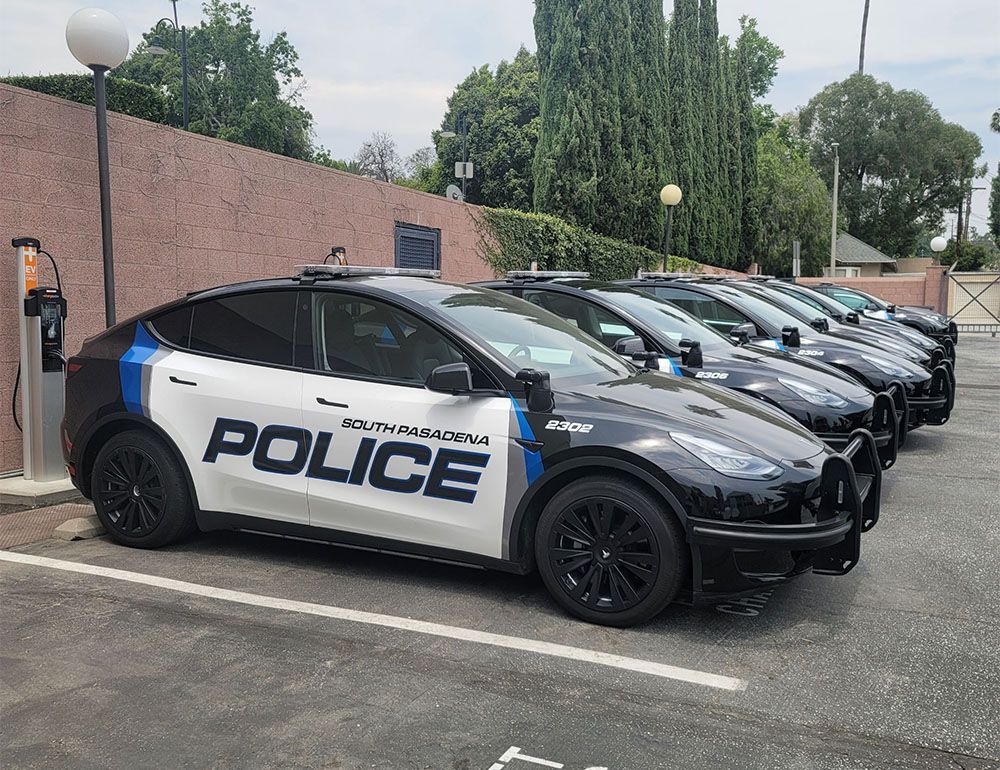
Discover how the South Pasadena Police Department transitions to an all-electric fleet, enhancing sustainability and efficiency in law enforcement.
By Kyle Stock for Bloomberg July 23, 2024
Learn how EV chargers are projected to outnumber gas stations, marking a significant shift in the transportation landscape and fueling the electric future.
By Jonathon Ramsey for AutoBlog July 16, 2024
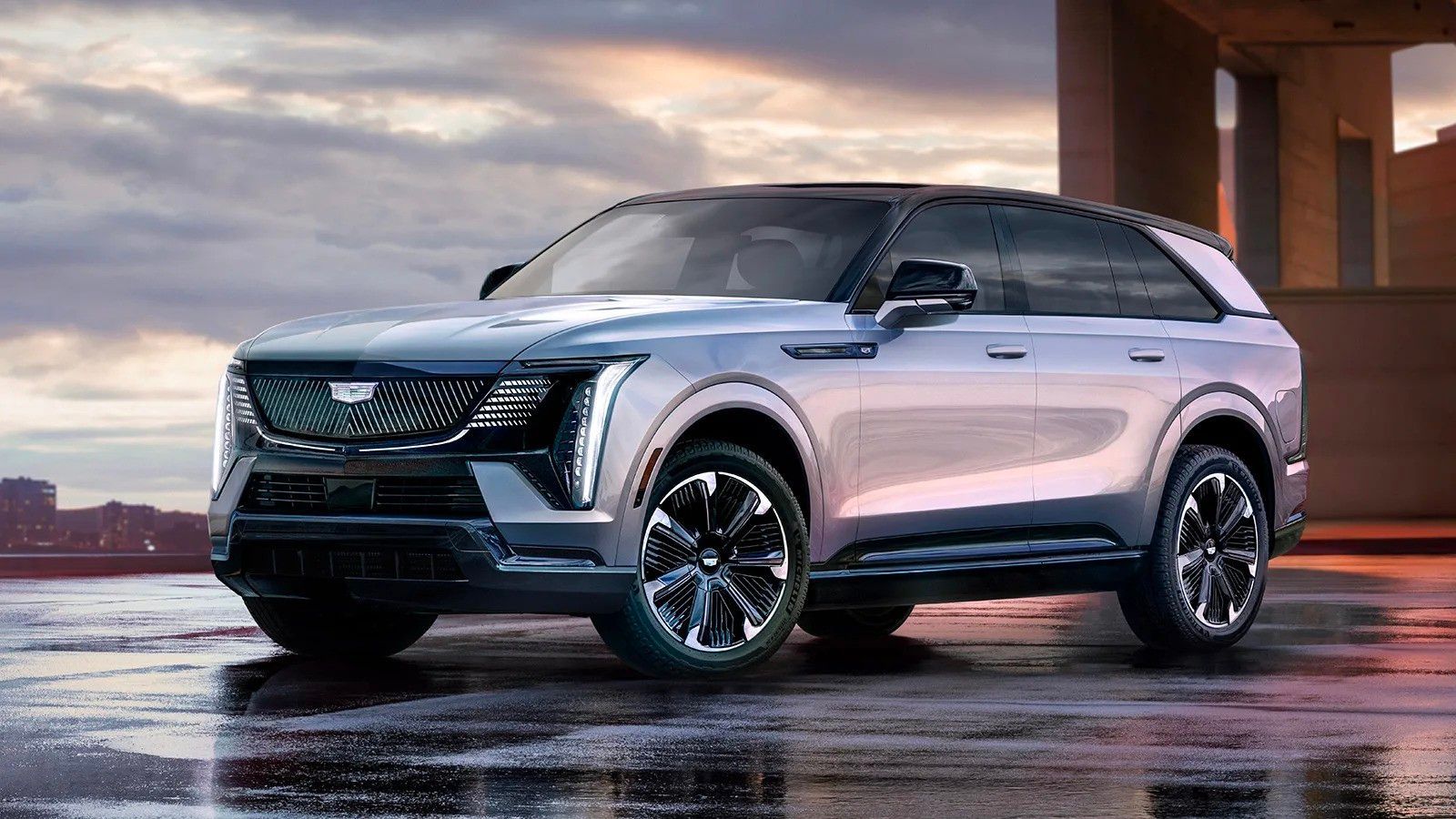
Explore the all-electric Cadillac Escalade IQ, featuring luxury, advanced technology, and impressive range for a sustainable driving experience.
By Alanis King for InsideEVs July 9, 2024
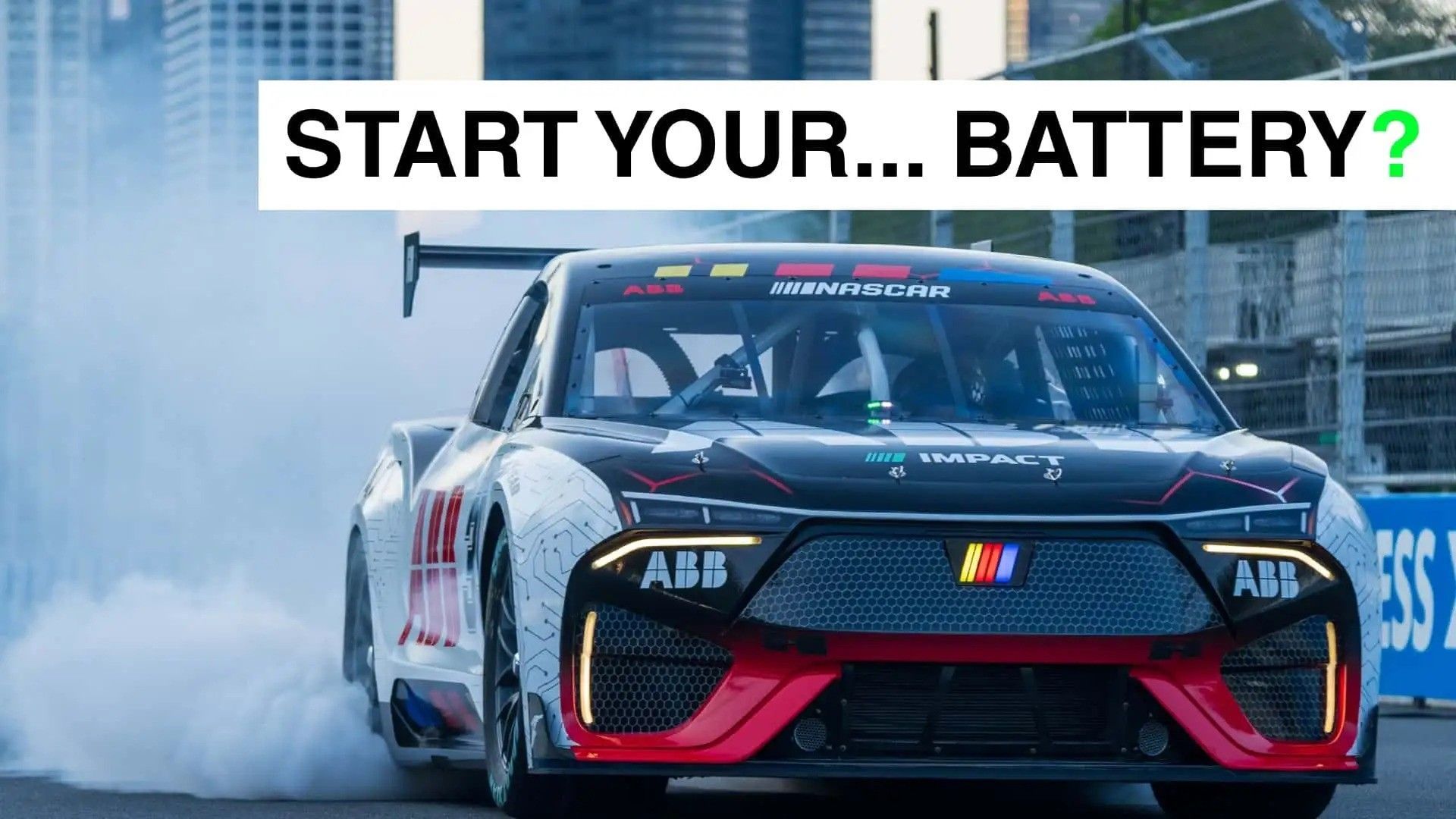
Explore the future of NASCAR as it considers electric vehicles, the mixed reactions from fans, and what this shift could mean for racing.
By Peter Johnson for Electrek July 2, 2024
Discover how GM topped Q2 2024 with strong EV sales despite challenges, reaffirming its commitment to electric vehicle innovation and profitability.
By Peter Johnson for Electrek June 25, 2024
Discover the launch of the 2025 Polestar 2, an all-electric performance car that combines sustainability with cutting-edge technology and design.
By Aarian Marshall for Wired June 18, 2024
Explore the growing demand for EV chargers and discover how many charging stations are needed to support the expanding electric vehicle market.
By Anthony Alaniz for Motor1 June 11, 2024
Discover how used EVs are now more affordable than ever, making electric vehicles accessible to a wider audience and transforming the market.
By Tim Stevens for MotorTrend June 4, 2024
Explore how electric vehicles are driving the resurgence of rear-wheel drive, enhancing performance and handling in modern car design.
By Paul Nijssen for EVCharge4U Inc. May 29, 2024
Read about another satisfied client of EVCharge4U, highlighting our commitment to quality service and innovative electric vehicle charging solutions.
Show More