Electric Cars Have a Road Trip Problem, Even for the Secretary of Energy
When Energy Secretary Jennifer Granholm set out on a four-day EV road trip through the Southeast — Charlotte to Memphis — she knew charging would be a challenge. She probably didn't expect anyone to call the police. NPR's auto reporter rode along for the full journey, and came away with a clear conclusion: EVs that aren't Teslas have a real road trip problem, and the White House knows it's urgent to solve.
The Grovetown Incident
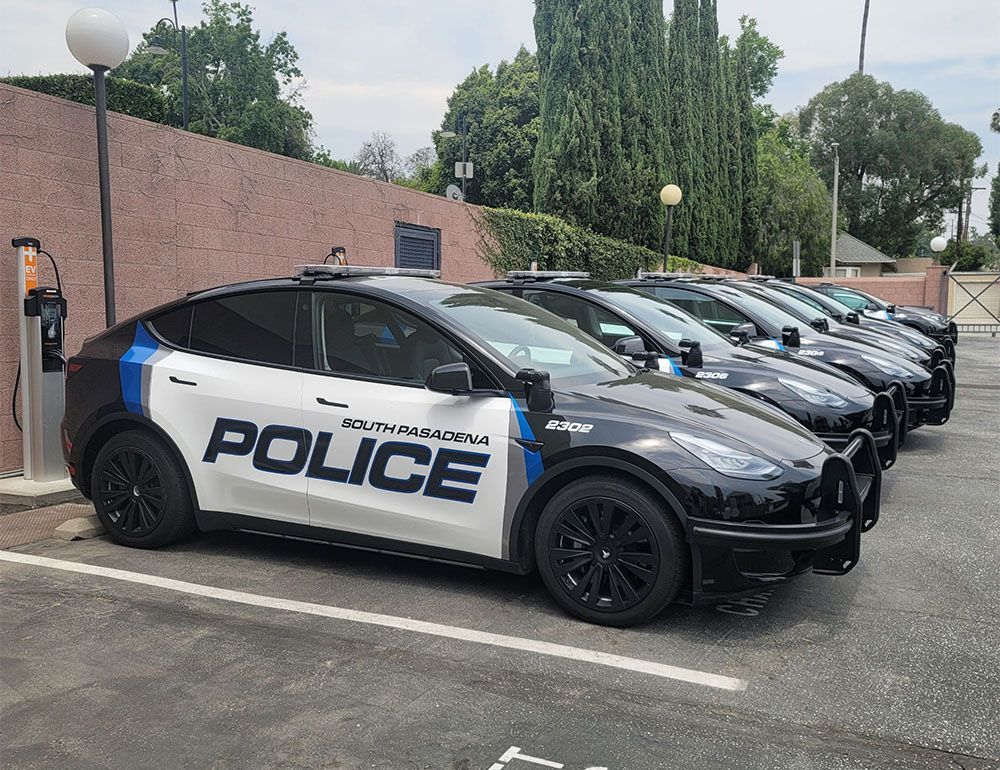
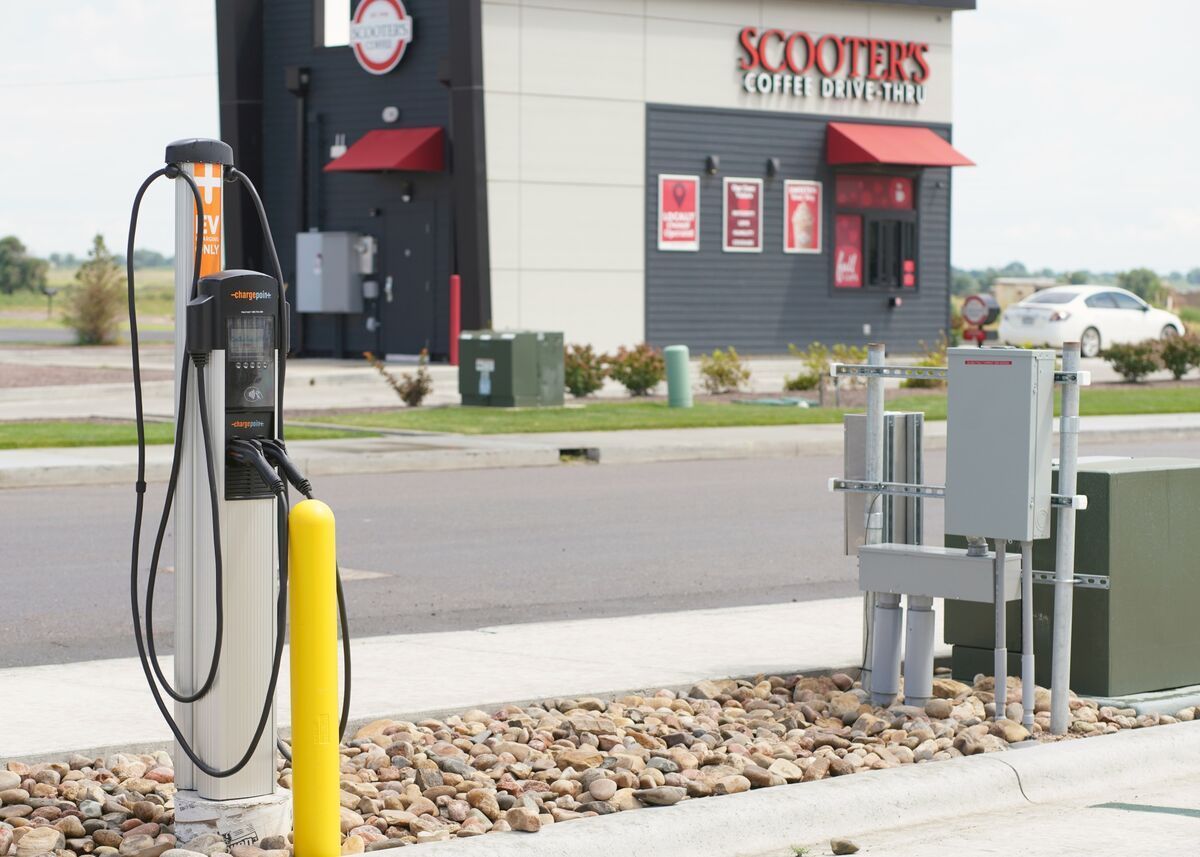
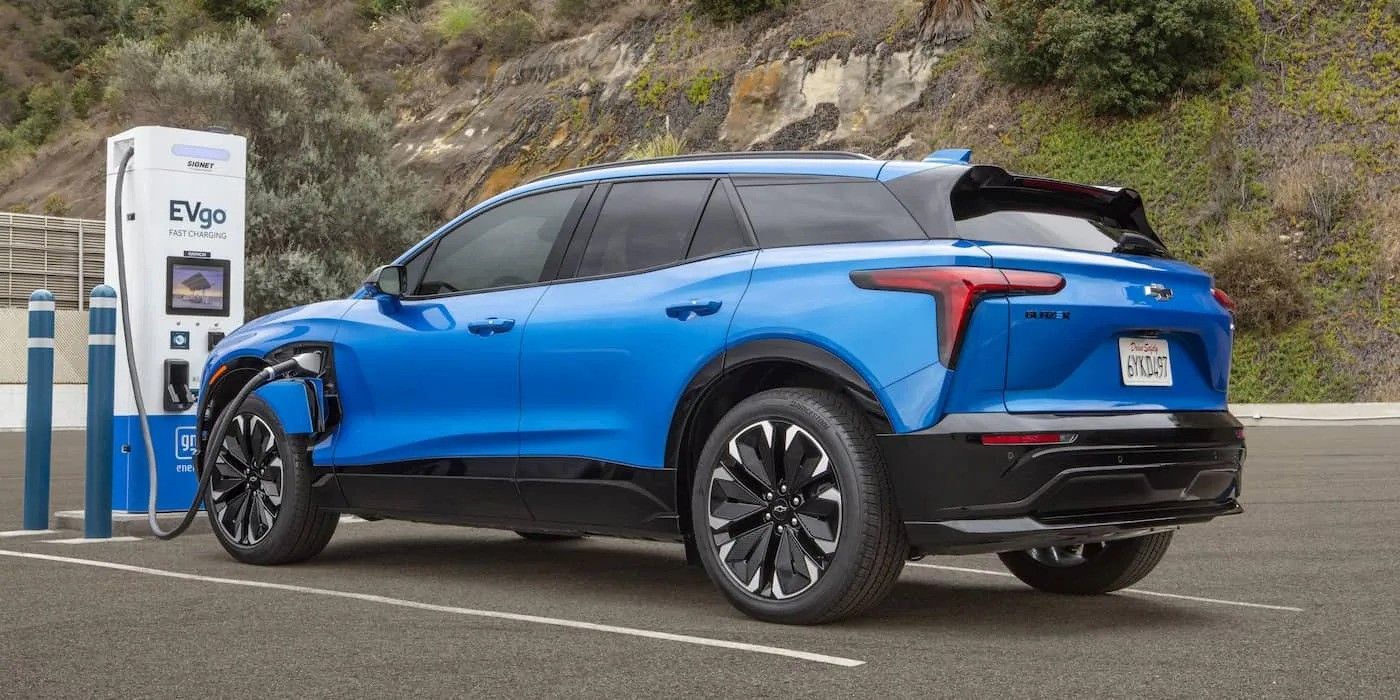
At a fast-charging station in Grovetown, Georgia, Granholm's convoy ran into a near-perfect storm of infrastructure failure. One of four chargers was broken. Others were occupied, including one reserved for an electric school bus on a statewide road show. An Energy Department staffer tried to hold a spot for the approaching secretary by parking a non-electric vehicle next to the only free working charger. A family — with a baby in a sweltering car — was blocked out and called the police. The sheriff couldn't act; it's not illegal in Georgia for a non-EV to park in a charging spot. Staff scrambled to redirect vehicles to slower chargers until everyone could charge.
The Four Road Trip Problems
1. Planning is cumbersome. Granholm's trip required meticulous advance planning — Level 2 overnight hotel charging, fast-charge pit stops between cities. A gas car road trip requires no such logistics. Federal requirements for new charger funding now mandate placement every 50 miles and within 1 mile of charging corridors, plus app-enabled availability checks — a step in the right direction.
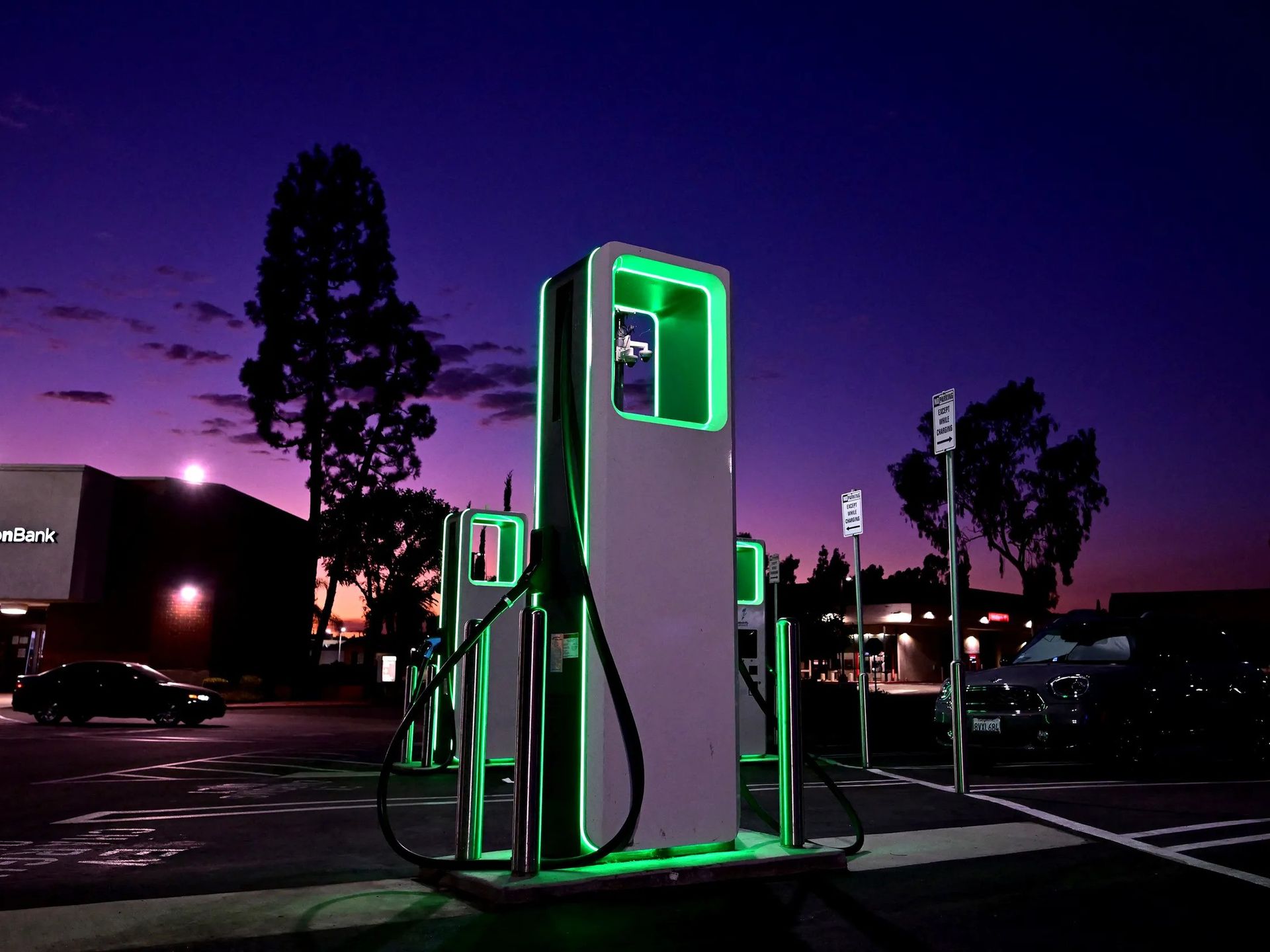
2. Not enough chargers. Large swaths of the US, especially the Southeast, lack DC fast chargers. West Virginia had just 11 statewide fast chargers at time of writing — up from eight just three weeks prior. As more EVs hit the road, inadequate infrastructure will create worse bottlenecks. Granholm highlighted the administration's $7.5 billion investment in public charging, with chargers expected to begin appearing along corridors by year-end.
3. Too slow. Early-era 50 kW DC fast chargers remain widely deployed despite newer vehicles supporting 150+ kW. Federal funding now requires a minimum of 150 kW for eligible highway chargers. Older, slower equipment is being replaced gradually — but it's still a significant fraction of the installed base.
4. Not reliable enough. On Granholm's trip, one charger in Grovetown had a black screen. A Bolt charged at one-third its expected rate in Tennessee due to a faulty Electrify America component affecting multiple stations. J.D. Power found non-Tesla EV drivers leave charging stations without charging 20% of the time due to broken or occupied chargers. The federal government has responded by requiring highway-funded chargers to maintain 97% uptime.
The Tesla Comparison — and the Solution Forming Around It
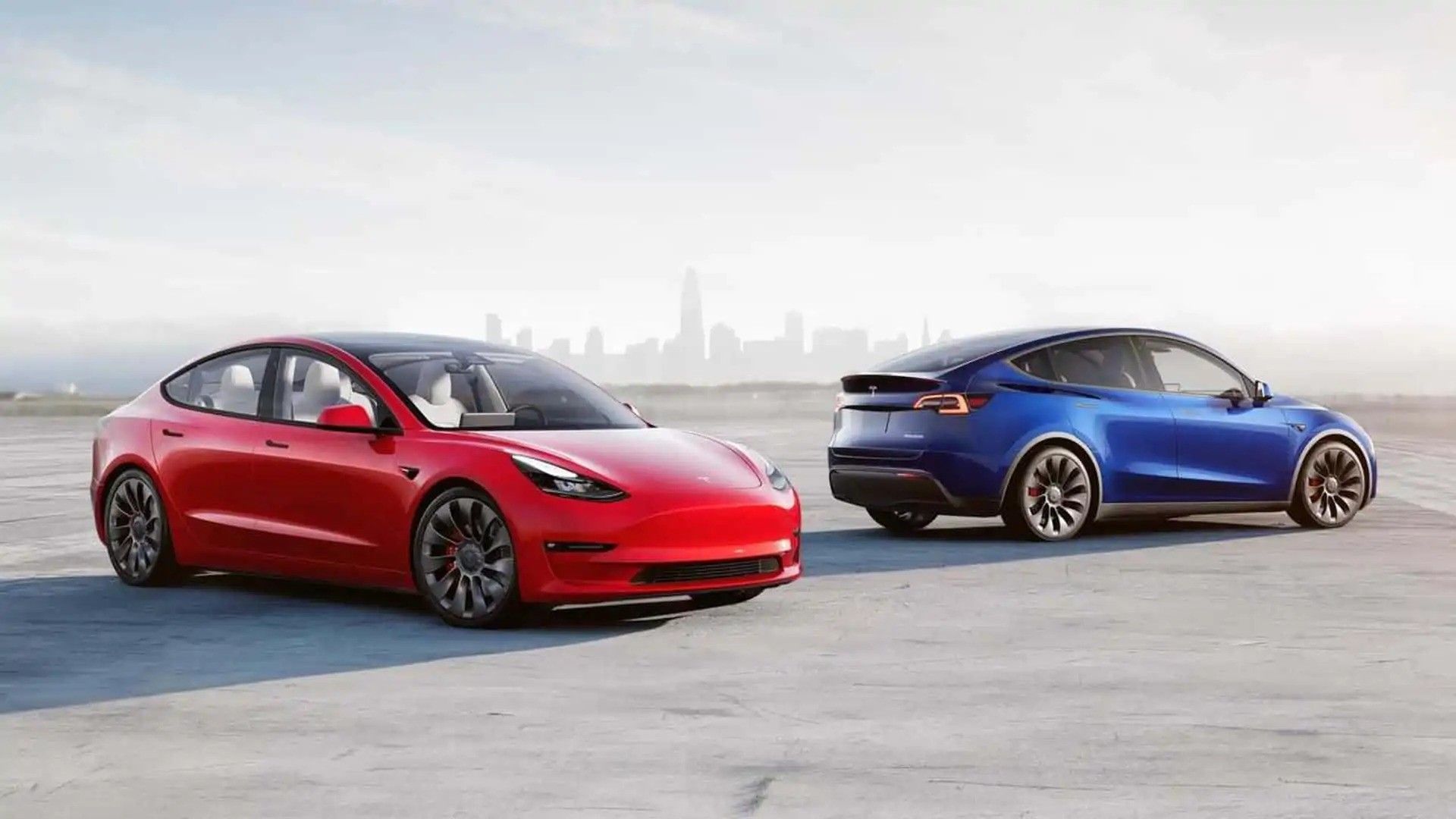
Tesla Superchargers succeed where the general network struggles: J.D. Power found Tesla drivers successfully charge at 96% of Supercharger visits. Tesla built chargers to sell cars, prioritizing location and reliability over per-unit profitability. That model is now influencing everyone else. Ford's CEO Jim Farley described the moment his kids asked why they couldn't stop at a clearly available Tesla Supercharger on a family road trip — and his inability to explain it in terms that made sense. That conversation helped spark the Tesla-Ford NACS deal. GM, Rivian, Volvo, Mercedes, and Nissan followed. Seven major automakers — BMW, GM, Honda, Hyundai, Kia, Mercedes, and Stellantis — also announced a joint venture to build 30,000 new 350 kW chargers.
The road trip charging experience for non-Tesla EV drivers could look dramatically different by 2024. Granholm's 770-mile trip cost one driver just $35 — less than half the cost of gas in a comparable vehicle. The infrastructure isn't there yet. But as one EV driver encountered along the route put it: "It's not enough chargers over on the major highways. Other than that, I wouldn't take $100,000 for this car. We love the electric."
Originally published by NPR. Author: Camila Domonoske.