
One More Time - EVs and the Federal Tax Credit
Changes to the federal tax credit for electric vehicles have introduced many new provisions. The confusion is understandable — so here's a plain-English breakdown of what we know so far.
The Transition Rules (Through Dec 31, 2022)
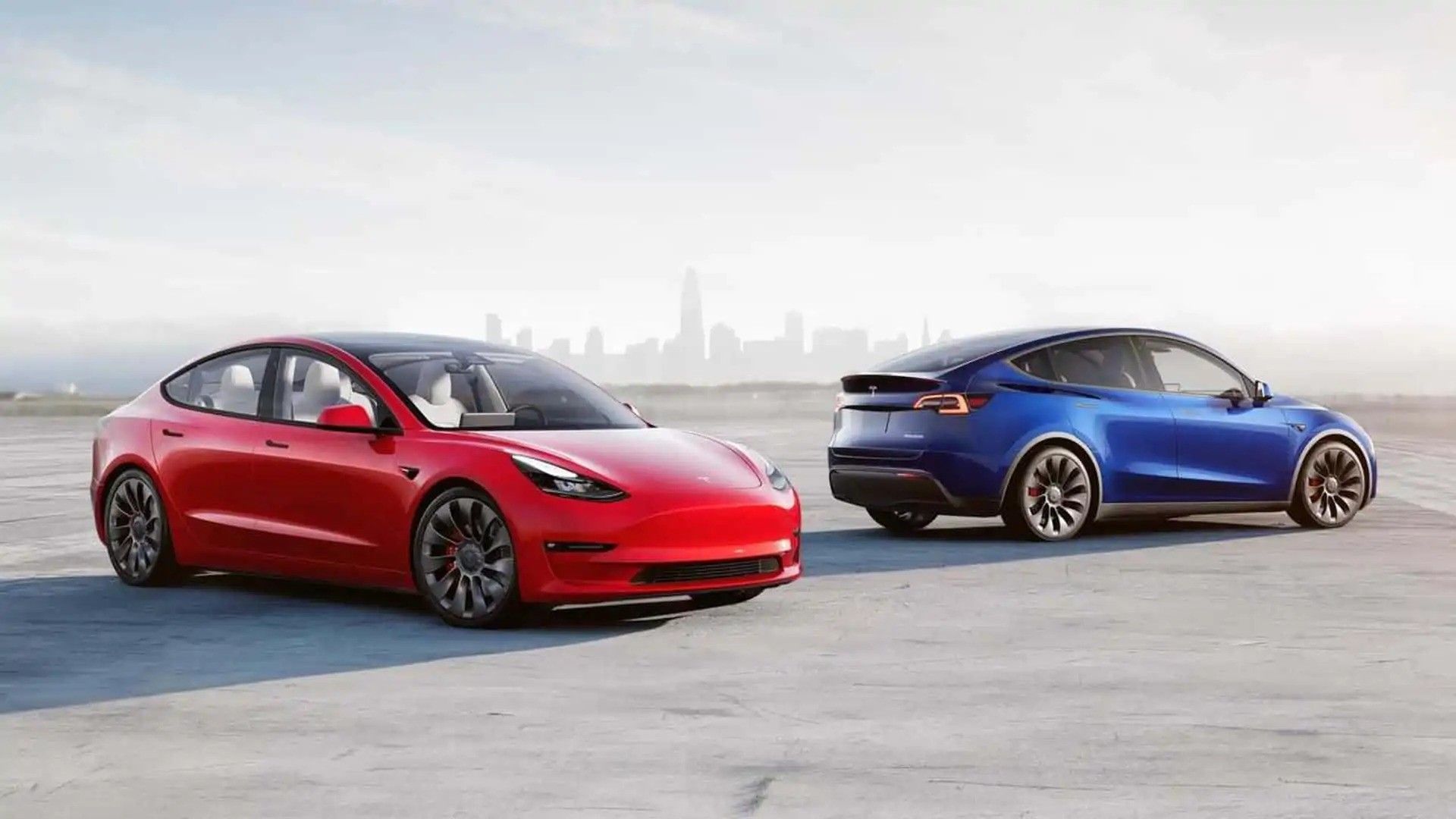
All the cars eligible for the federal tax credit on August 16, 2022 — when the Inflation Reduction Act was signed — remain eligible through December 31, 2022. However, those vehicles must also pass the new "final assembly" test: the vehicle must have been assembled in North America. Electric models from Tesla, General Motors, and Toyota are excluded through end of 2022 but will again be eligible starting January 1, 2023 — provided they meet the final assembly requirement. The Department of Energy maintains a VIN decoder tool to help buyers check eligibility.
The New Two-Part Tax Credit (Starting Jan 1, 2023)
Beginning January 1, 2023, the EV tax credit is effectively split into two $3,750 components. The first $3,750 applies if 40% of the battery materials come from the U.S. or a free trade agreement country. The second $3,750 applies if at least 50% of battery components come from the same. Maximum vehicle prices are capped at $55,000 for cars and $80,000 for SUVs, trucks, and vans. Income limits also apply — the credit is designed to benefit moderate-income buyers, not high earners. This is a nonrefundable credit: if you owe no taxes, you receive no benefit.
A Big Change in 2024: Point-of-Sale Credit
Starting January 1, 2024, buyers can apply the federal tax credit directly at the point of sale through a participating dealer, receiving the discount upfront rather than waiting until tax filing. This makes the credit especially valuable to moderate-income buyers who may not have large down payments available. Whether this applies to direct-sale brands like Tesla or Rivian remains to be determined by forthcoming regulations.
The Used EV Tax Credit
The new law also provides a $4,000 credit for qualifying used EVs purchased through a dealer. The vehicle must be priced under $25,000, be at least two years old, and be sold for the first time since new. Buyers can only claim this credit once every three years. Income limits apply: $75,000 for single filers, $112,500 for heads of household, and $150,000 for joint filers.
The Bottom Line
Despite its complexity, the Inflation Reduction Act is a meaningful step forward for EV incentives. It expands eligibility, introduces a used EV credit, and eventually brings point-of-sale simplicity. That said, its maze of conditions will confuse many buyers — and a simple rebate would have been far more motivating. For now, the smartest move depends heavily on which car you want and whether it meets the various assembly and battery sourcing requirements.
Originally published by CleanTechnica. Author: Steve Hanley.