
Mercedes-Benz Will Build a $1 Billion EV Fast-Charging Network in the US
Mercedes-Benz is entering the DC fast-charging arena, announcing plans to deploy more than 10,000 fast chargers worldwide — starting with North America. In partnership with ChargePoint and MN8 Energy, Mercedes will install more than 2,500 DC fast chargers at over 400 sites across the US by 2027, at a combined cost of over $1.1 billion.
A Premium Charging Experience
Mercedes Chairman Ola Källenius framed the initiative as an extension of the brand's commitment to its customers, saying that Mercedes drivers deserve a charging experience that makes EV ownership and long-distance travel effortless. The new network is separate from Ionity, the European fast-charging network backed by Mercedes, BMW, Ford, and Volkswagen.
Crucially, the chargers will not be restricted to Mercedes vehicles — any EV will be able to use them. And Mercedes is being deliberate about site selection, noting that chargers are too often placed in desolate, poorly lit parking lot corners. Instead, hubs will be built near food outlets and restrooms, with surveillance cameras and security measures to ensure a safe charging environment.
Network Scale and Speed
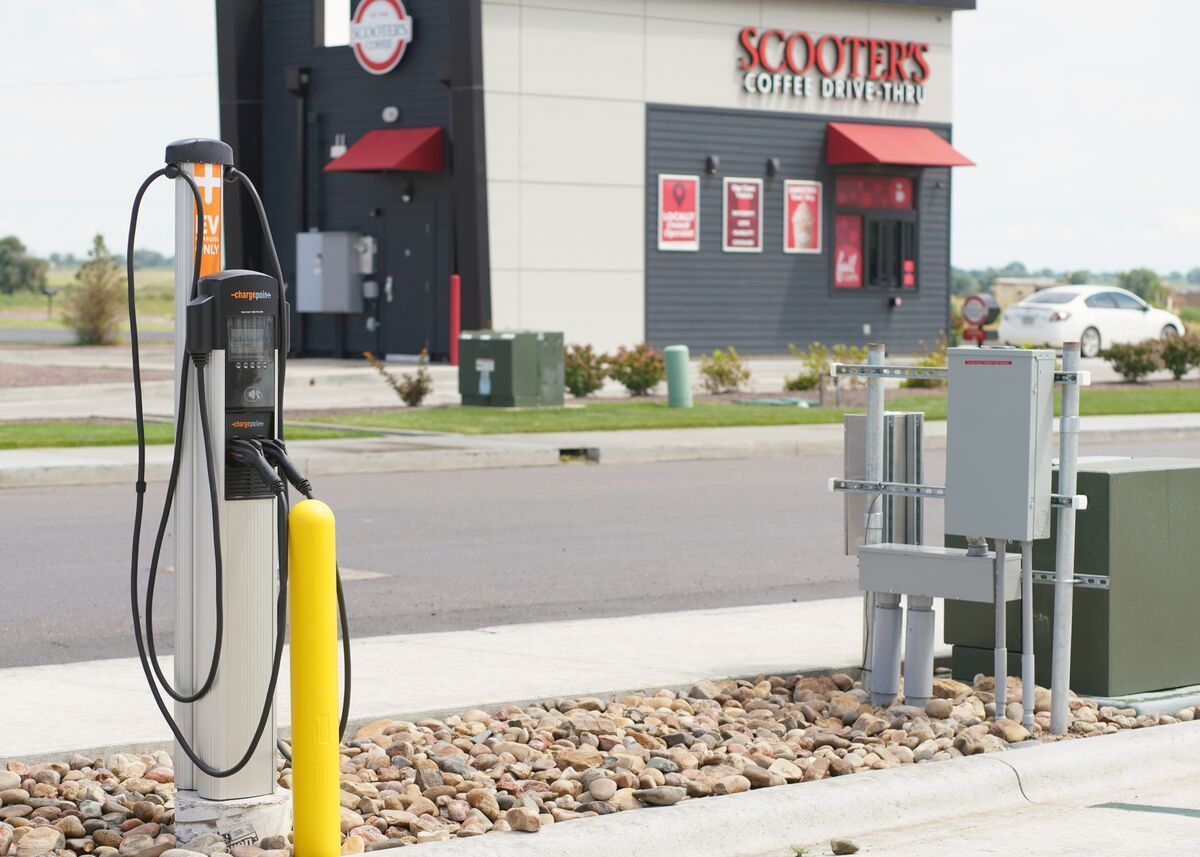
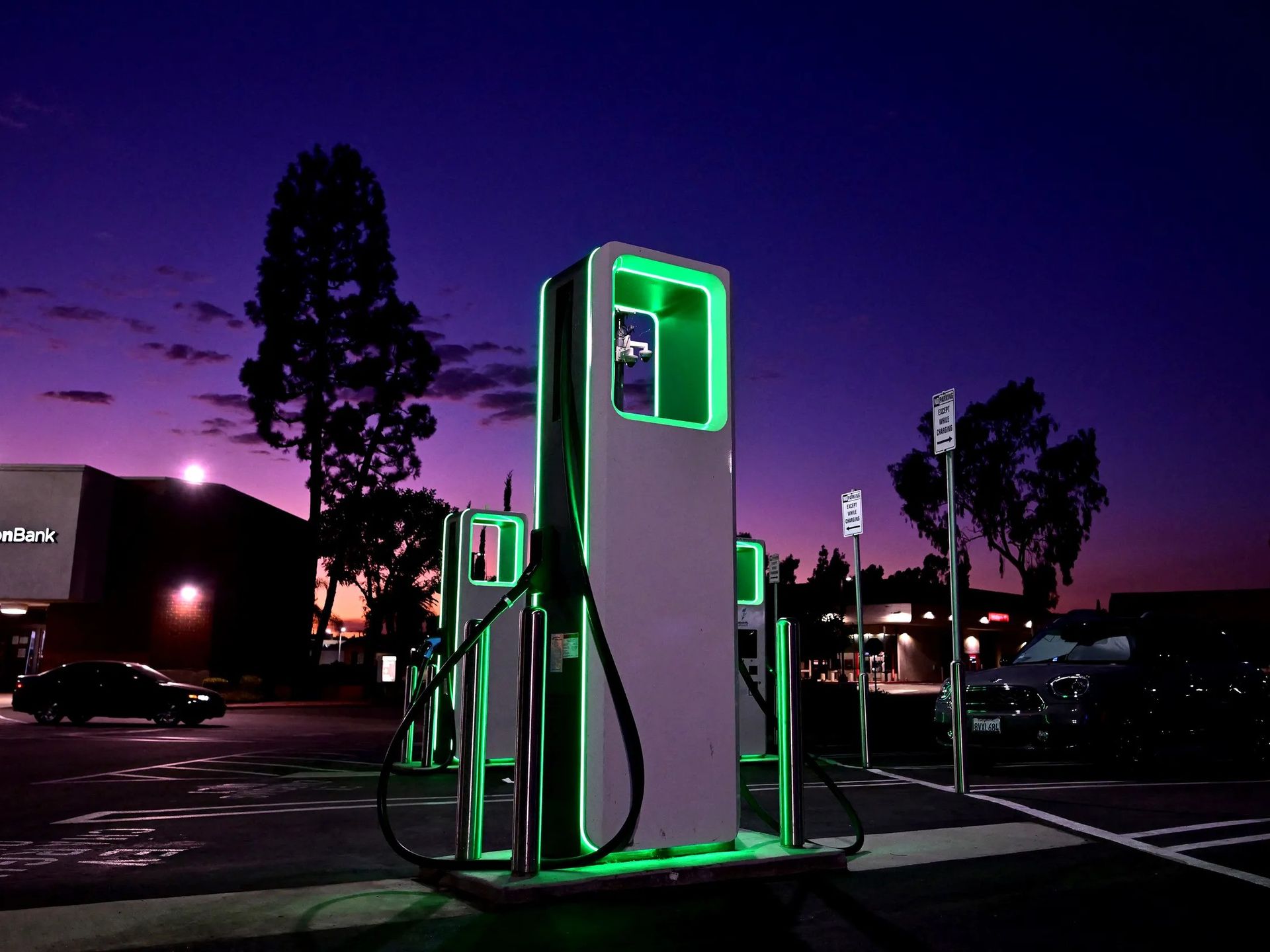
Each hub will have a minimum of four DC chargers, with some locations featuring up to 12 and select sites up to 30. The hubs use ChargePoint's modular Express Plus system, capable of up to 500 kW per port, with chargers rated up to 350 kW. Load management ensures that multiple vehicles charging simultaneously don't throttle each other's speeds.
ChargePoint CEO Pasquale Romano described the initiative as enabling a new "30-minute retail economy" — combining fast charging with commerce and a superior driver experience. The partnership will provide turnkey solutions to site hosts at no upfront cost, helping accelerate deployment.
Sustainability Baked In
In keeping with Mercedes' 2039 carbon-neutrality goal, electricity for the network will come from green energy suppliers or carry renewable energy certificates. Some hubs will use on-site solar to power lighting and security systems. MN8 Energy, a solar and battery-storage company splitting costs evenly with Mercedes, called the collaboration a key step in addressing range anxiety — one of the most significant barriers to EV adoption. Future deployments in Europe and China are also planned.
Originally published by Ars Technica. Author: Jonathan M. Gitlin.