CEC Approves $2.9 Billion Investment for Zero-Emission Transportation Infrastructure
The California Energy Commission (CEC) has approved an unprecedented $2.9 billion investment plan that accelerates California's 2025 electric vehicle charging and hydrogen refueling goals. The funds will support deployment of thousands of zero-emission trucks, school buses, and transit buses — delivering clean air benefits to communities hit hardest by pollution from medium- and heavy-duty vehicles.
A 30x Funding Increase Since 2019
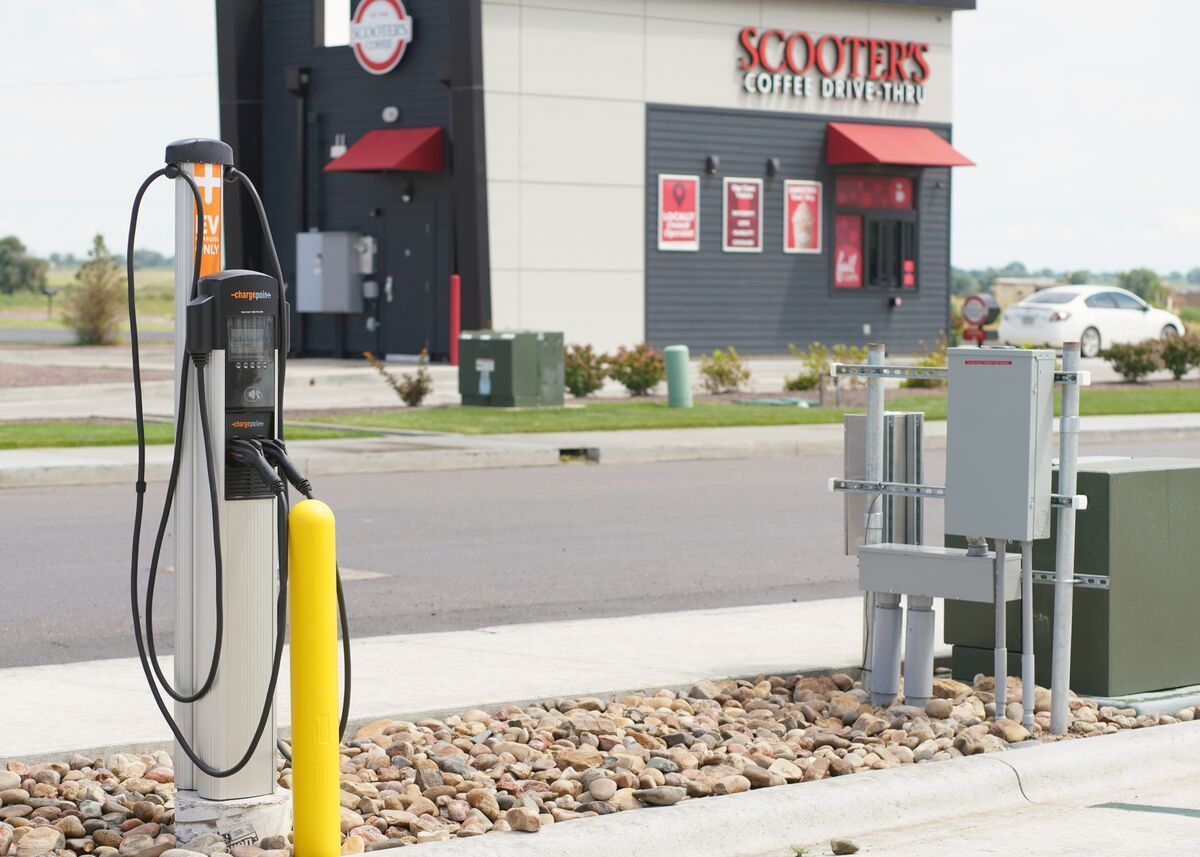
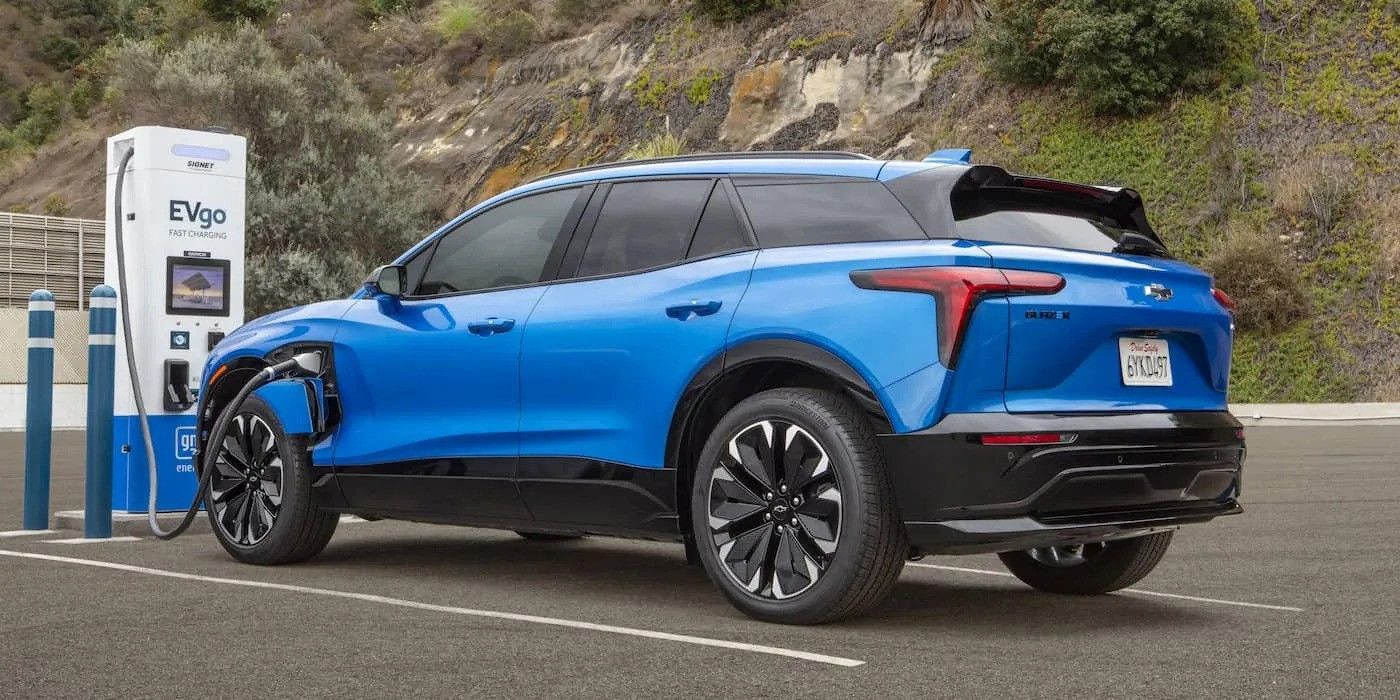
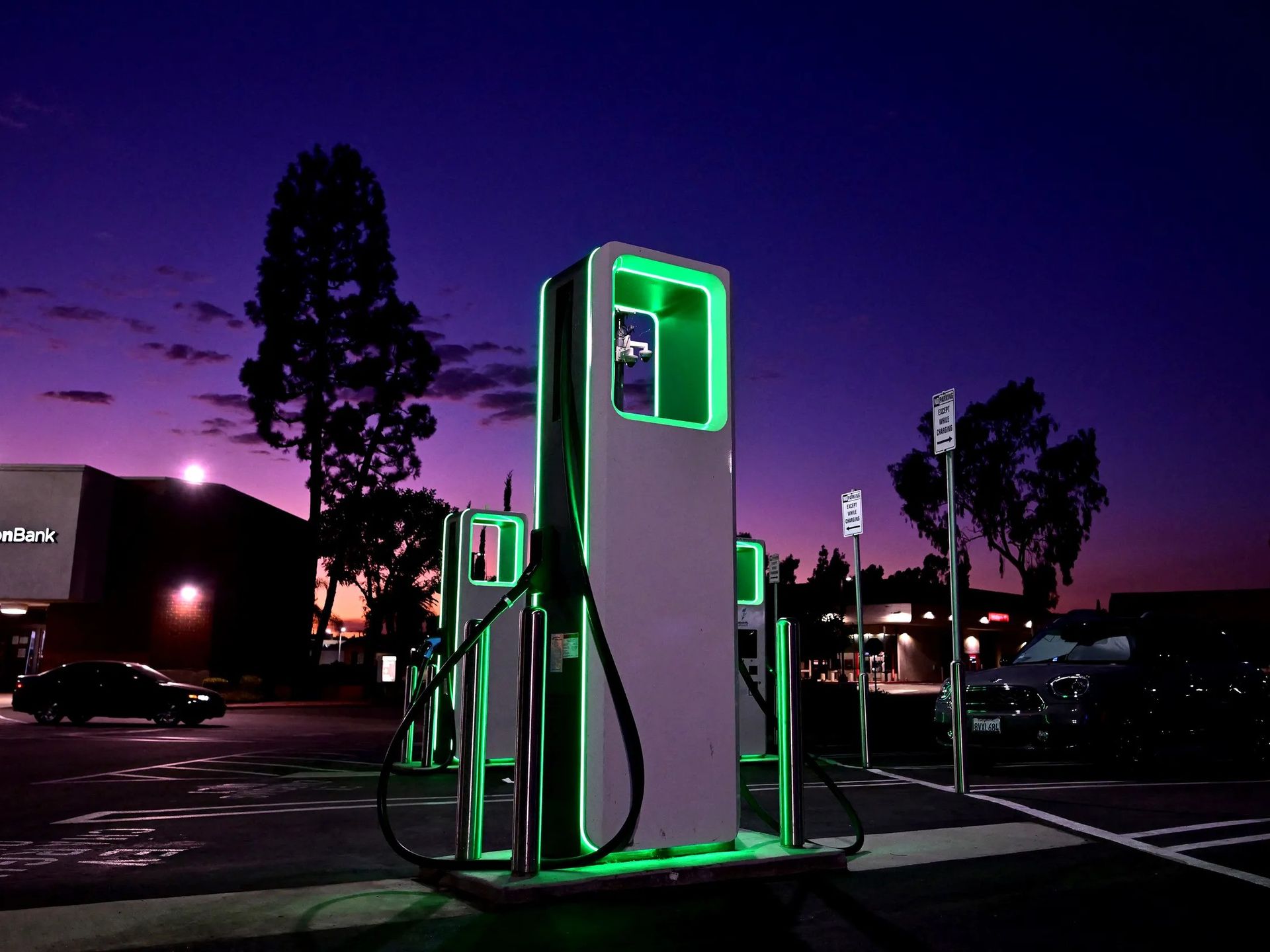
The 2022–2023 Investment Plan Update increases funding for the CEC's Clean Transportation Program by 30 times compared to 2019, with an additional $2.4 billion from the recent state budget to be spent over four years. At least 50% is targeted to benefit priority populations. CEC staff estimates the plan will result in 90,000 new EV chargers across the state — more than double the 80,000 installed at the time of approval. Combined with utility and program funding, the investments are expected to achieve California's goal of 250,000 chargers by 2025.
CEC Lead Commissioner for Transportation Patty Monahan described the investment as transformative, emphasizing its goal to deploy charging and refueling infrastructure swiftly and equitably so that drivers feel confident they can refuel wherever they go. She highlighted increased access for individuals, businesses, and public agencies, as well as support for manufacturing jobs and critical funding to help the most vulnerable communities move away from dirty trucks and buses.
What the Funding Covers (2022–2026)
The approved plan allocates funds across several categories: $1.7 billion for medium- and heavy-duty ZEV infrastructure; $900 million for light-duty EV charging; $118 million for ZEV manufacturing; $90 million for hydrogen refueling; $97 million for emerging opportunities including aviation, locomotive, marine, and vehicle-grid integration; $15 million for low- and near-zero-carbon fuel production; $15 million for low-carbon fuels; and $10 million for workforce development.
Funds will be distributed through competitive solicitations and direct funding agreements, including direct incentive and rebate programs for individuals and businesses. The plan was informed by input from the Clean Transportation Program Advisory Committee, the Disadvantaged Communities Advisory Group, state agencies, and a broad range of public stakeholders.
Part of California's Broader Climate Commitment
This CEC approval complements a separate $2.6 billion clean transportation incentive plan approved by the California Air Resources Board (CARB), which includes consumer vehicle rebates and heavy-duty equipment investments. Together, both plans are part of Governor Newsom's $54 billion California Climate Commitment. CARB Chair Liane Randolph praised the partnership between CARB and the CEC as a historical shift away from fossil fuel transportation to help clean the air, particularly in communities that have suffered from persistent pollution.
California surpassed one million ZEV sales in 2021 and leads the country in public funding, EV market share percentage, and public charging infrastructure. The state's programs have made zero-emission vehicles a top export and spurred major advances in manufacturing and job creation.
News release from energy.ca.gov.