
EV Models Outnumber PHEV Choices for the First Time Since 2014
Plug-in hybrid technology continues to be a point of genuine disagreement in the auto industry. Some automakers — Toyota, Volvo, BMW — see PHEVs as a smart bridge to full electrification. Others, including GM and Honda, view them as an unnecessary complication in the US market. A new data point from the Department of Energy adds clarity to where the industry is actually headed: for the first time since 2014, there are now more fully electric models available in the US than plug-in hybrid models.
The Numbers
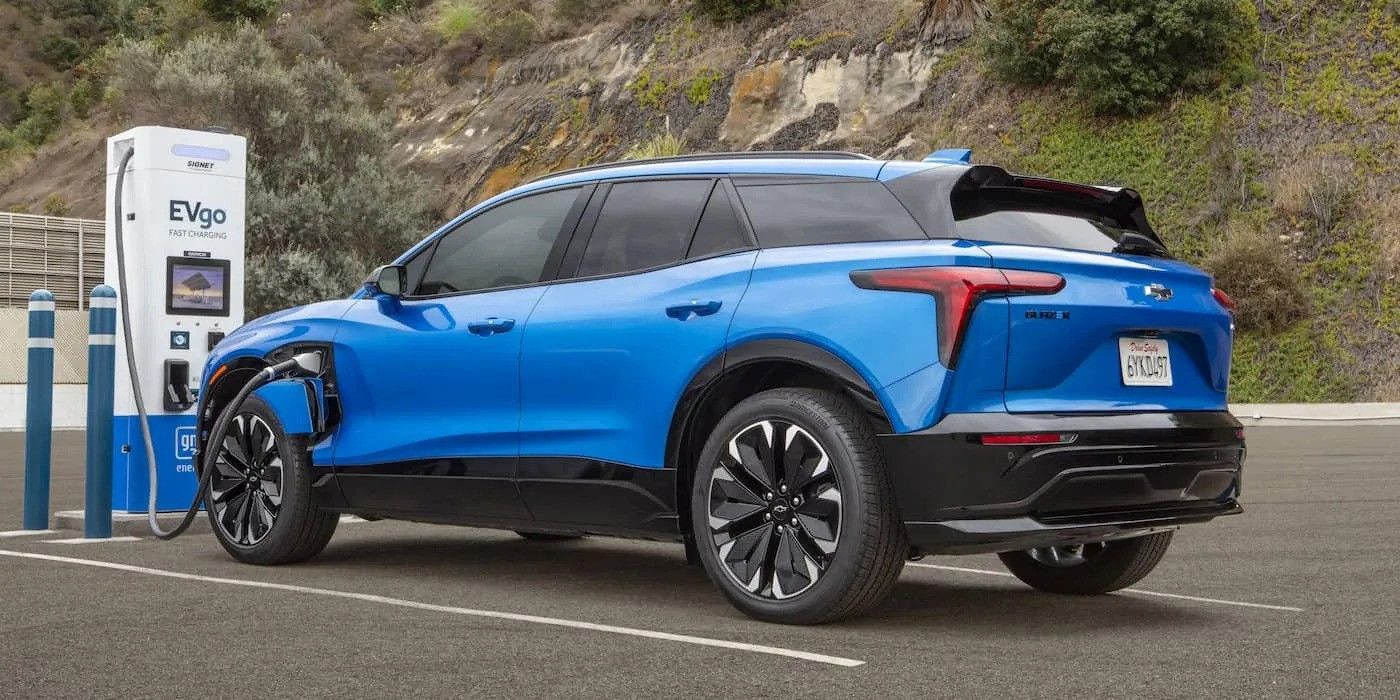
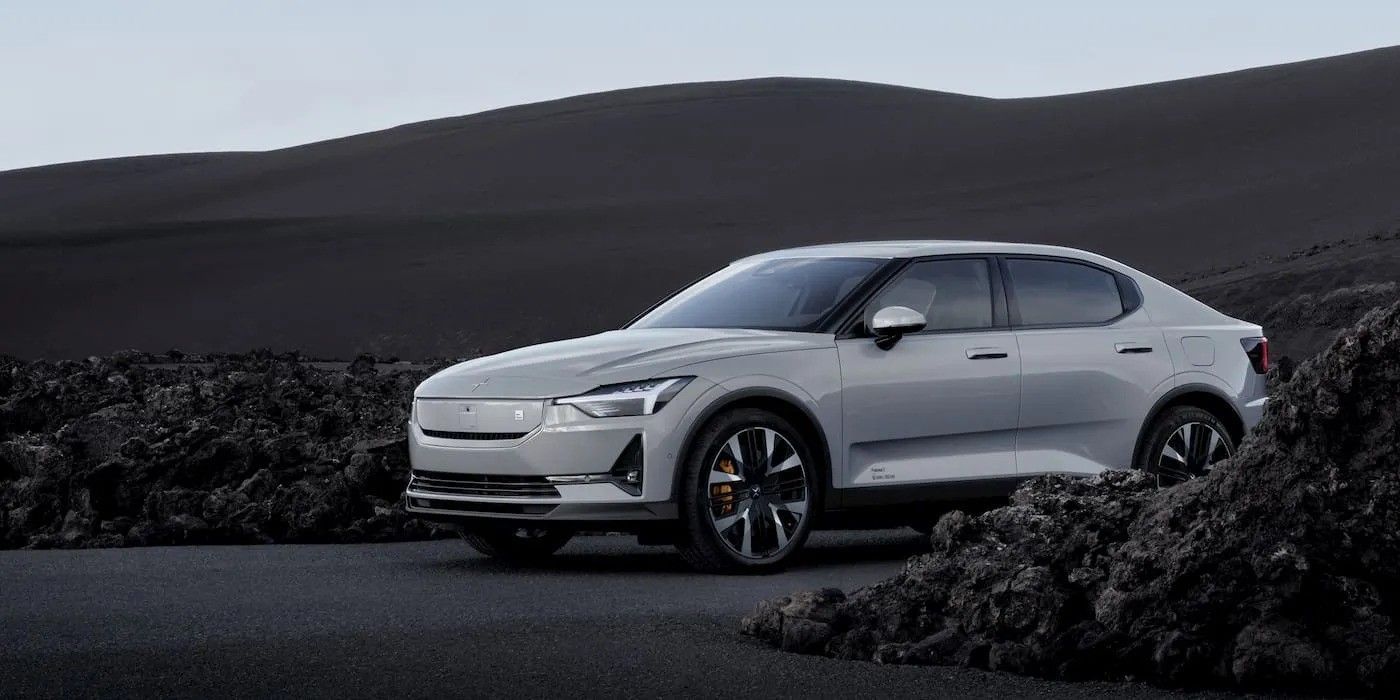
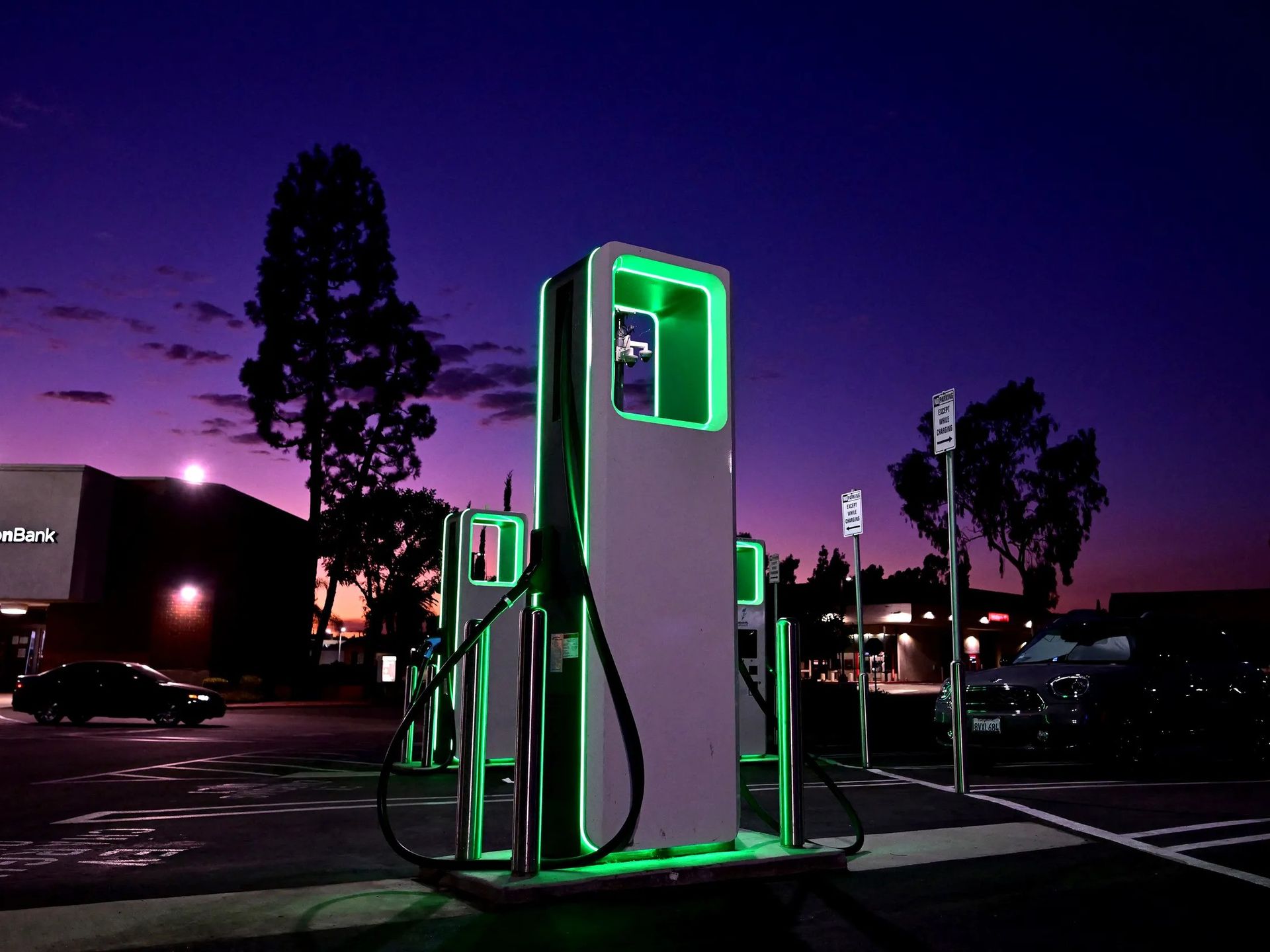
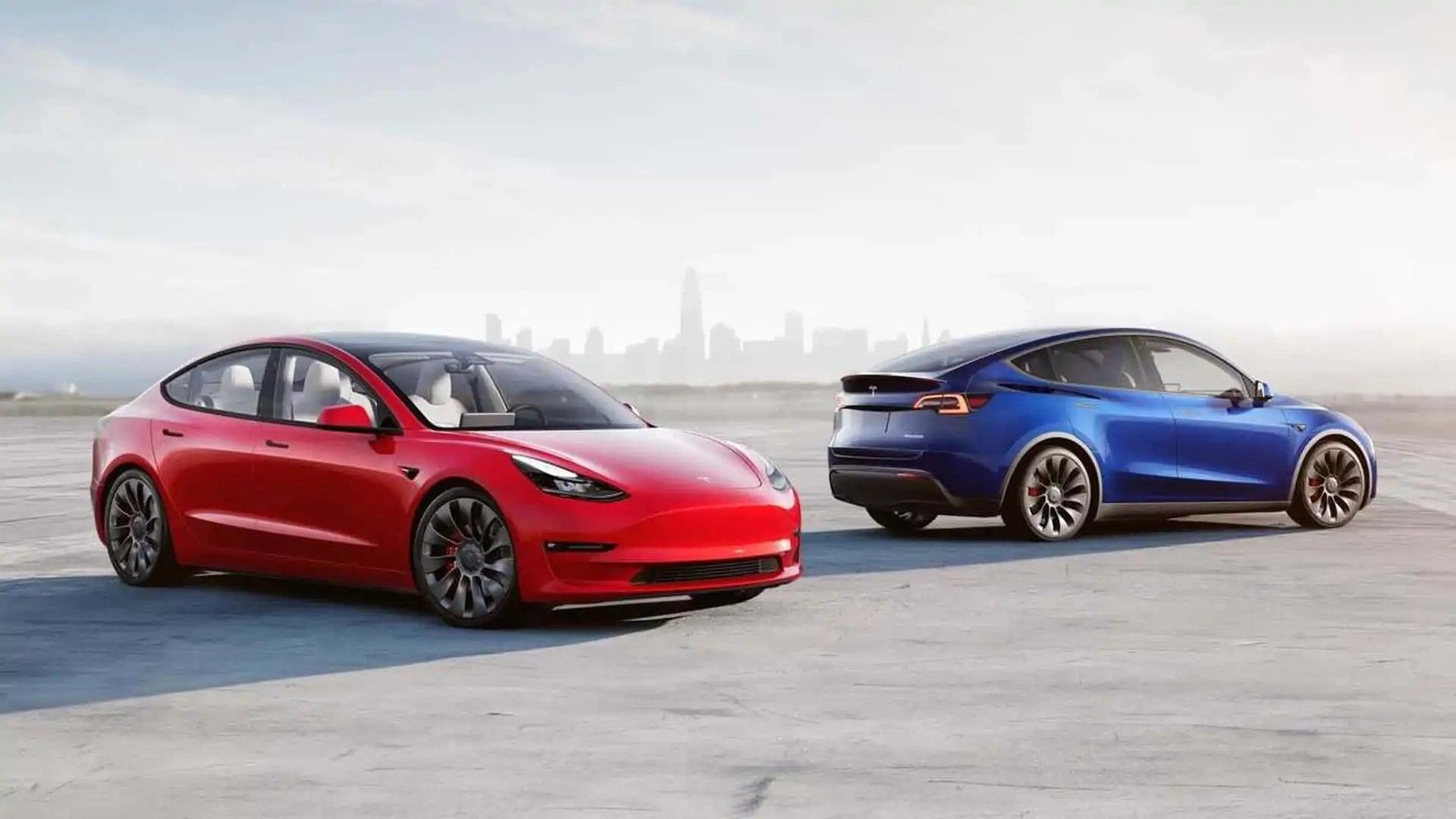
The DOE found that the number of EV models surpassed PHEV models for the first time in nearly a decade — jumping from 20 to 38 distinct EV models in a single year. The number of PHEV models, meanwhile, actually declined year-over-year in 2022. The DOE counted each model name once, regardless of how many configurations were available for each.
By sales volume, EVs have been well ahead of PHEVs since around 2018. By end of 2022, fully electric vehicles held about 6% of the US market compared to PHEVs at just over 1%.
PHEVs Aren't Going Away — But Their Real-World Record Is Complicated
The EPA's proposed 2027–2032 vehicle emissions rules continue to include plug-in hybrids and hydrogen fuel-cell vehicles as alternative compliance pathways — a "technology-neutral" approach. California's Advanced Clean Cars II rules, effective 2026, will mandate the equivalent of at least 50 miles of real-world electric range in PHEVs sold in the state.
Yet there's a longstanding controversy about whether PHEV owners actually plug in — and what happens when they don't. Tests commissioned by the European environmental group Transport & Environment found that some PHEVs emitted several times their official CO2 rating in real-world conditions, with gasoline modes activating far more frequently than manufacturers indicate. The gap between lab performance and road performance remains a legitimate concern for regulators and buyers alike.
Where Things Are Heading
Several automakers are doubling down on longer-range PHEVs: Toyota announced plans to push PHEV electric range beyond 125 miles; Volvo has been expanding its plug-in hybrid lineup alongside EVs; Volkswagen mentioned PHEVs as a potential US market return for the first time since its diesel scandal. The question isn't whether PHEVs survive — it's whether they evolve into something genuinely useful (engine as range extender, electric-first) rather than primarily gasoline vehicles with a modest electric mode.
Originally published by Green Car Reports. Author: Bengt Halvorson.