Berkeley Hills Residents Use Electric Cars More Than Almost Anywhere Else in the State
Two Berkeley Hills ZIP codes — 94707 and 94708 — rank among California's top 20 for electric vehicle ownership, according to a CalMatters analysis of state Energy Commission data. It's a distinction that reveals something important: EV adoption in California remains heavily concentrated among wealthy, white and Asian, college-educated coastal communities — and dramatically low everywhere else.
A Strikingly Unequal Map
California's highest concentrations of EVs — between 11% and 14% of all registered vehicles — are found in ZIP codes where residents are at least 75% white and Asian. Atherton, one of the nation's wealthiest towns, tops the list with 14% of its cars being electric. North Berkeley's two top ZIP codes sit in the same rarified tier, with average household incomes around $200,000.
The contrast is stark. In the 20 California ZIP codes where Latinos make up more than 95% of the population — including parts of Kings, Tulare, Fresno, and Riverside counties — between zero and 1% of cars are electric. Seventeen of the 20 communities with the highest percentage of Black residents have between zero and 2.6% EVs. Income is the clearest predictor: most of the top 10 EV communities have median household incomes exceeding $200,000, compared to a statewide median of $84,097.
The Affordability Barrier
The average new electric car cost $58,385 as of early 2023 — about $9,600 more than the average new car overall. While lower-end EVs start around $27,500 and prices are falling, the upfront cost remains the most significant driver of the racial and income disparity. Kevin Fingerman, associate professor of energy and climate at Cal Poly Humboldt, notes that affluent communities are simply more likely to be early adopters — but emphasizes that equitable access must be built into California's electrification strategy from the start.
State and federal programs are working to close the gap. California's Air Resources Board approved $326 million in purchase incentives for low-income consumers, offering up to $15,000 for a new EV and $19,500 when trading in a gas car. Combined with the federal Inflation Reduction Act's $7,500 new EV and $4,000 used EV tax credits, meaningful assistance is available — but programs have historically been underfunded and difficult to access for those who need them most.
The Charging Access Problem
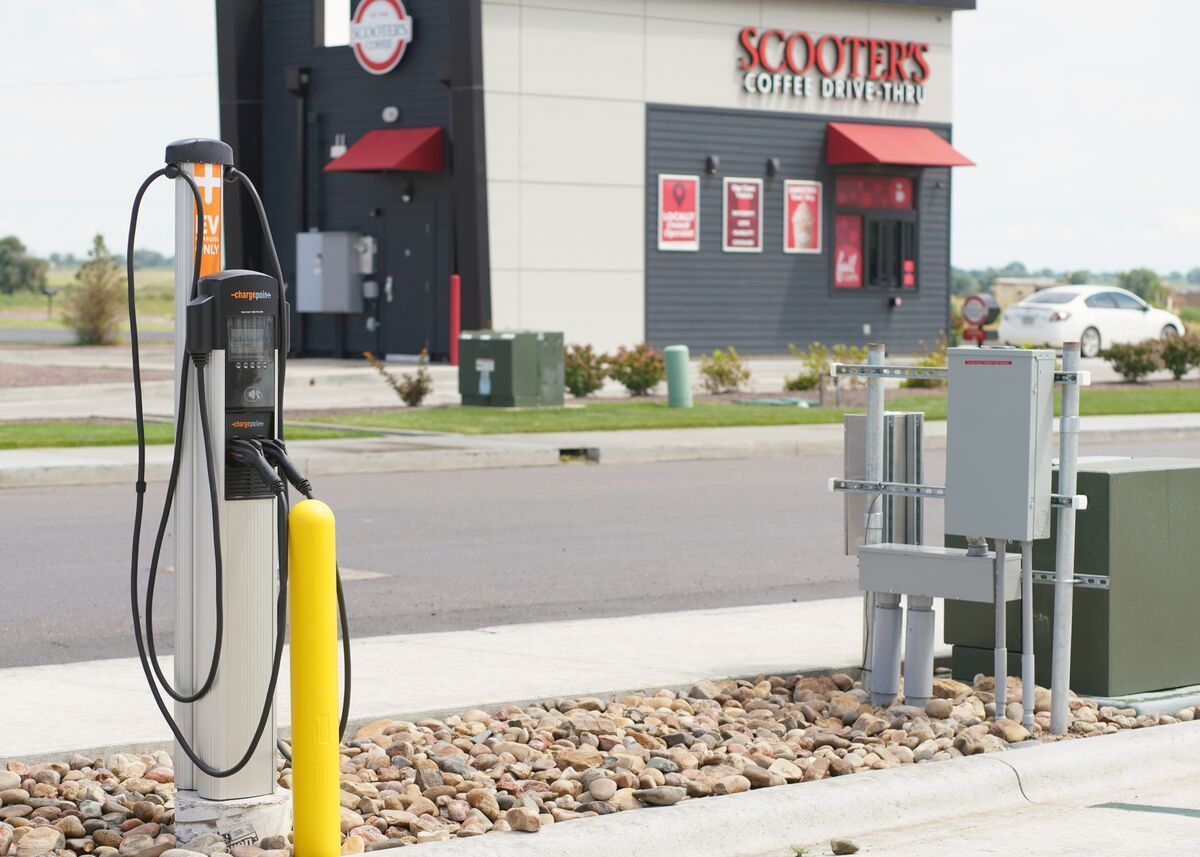
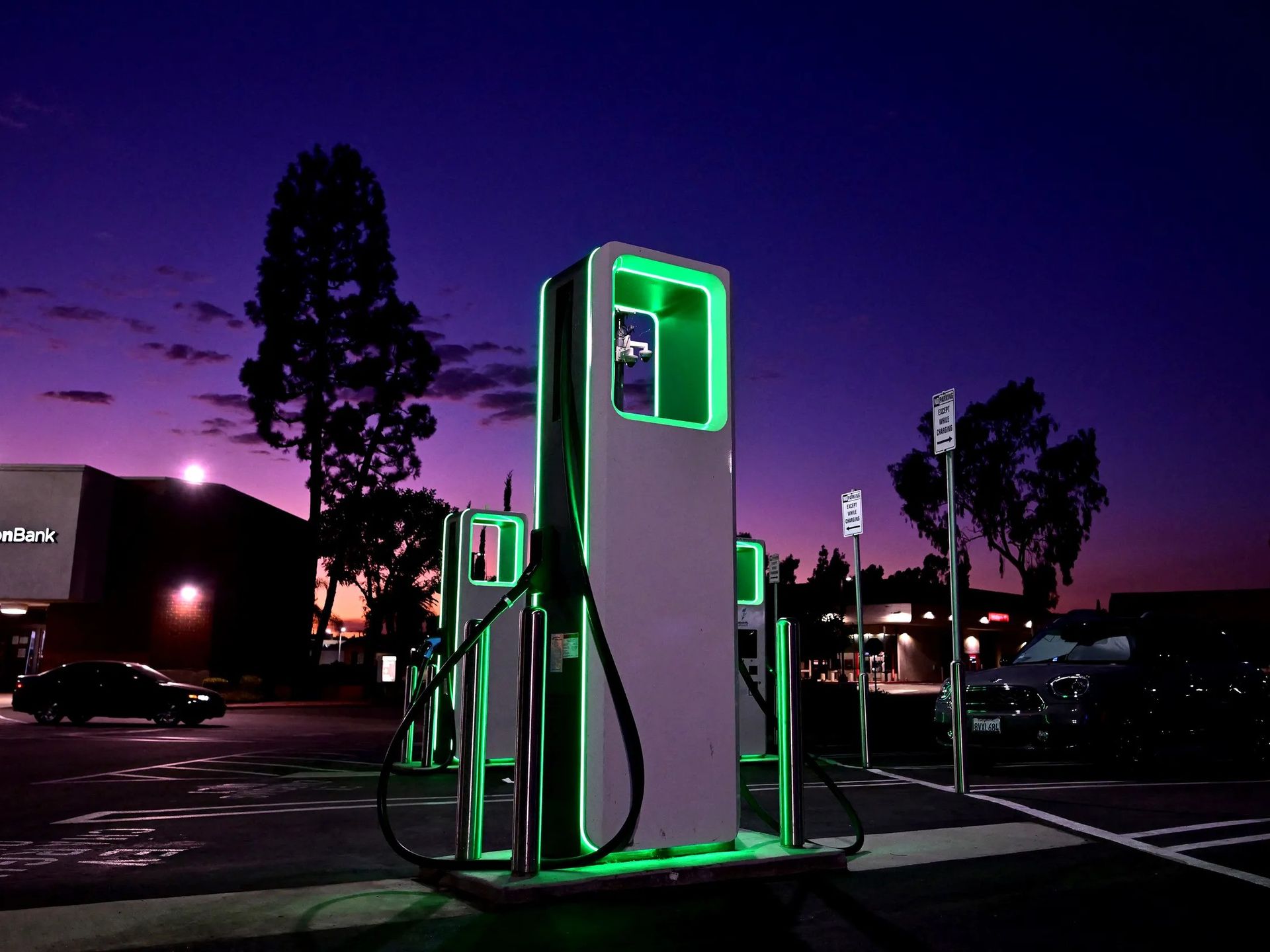
Home charging is the key factor that makes EV ownership practical — and it's largely unavailable to renters. The millions of Californians living in apartments and condos must rely on public chargers, and those public networks are far thinner in lower-income neighborhoods. A study co-authored by Fingerman found that Black and Latino residents are less than half as likely as white residents to have access to a public charger.
Rural areas face the starkest shortage. San Mateo County has nearly 4,400 public chargers across 747 square miles. Inyo County has just 49 chargers across more than 10,000 square miles. For residents who need to drive 80+ miles daily to reach services, and who may face wildfire evacuations with no guarantee of available charging, range anxiety is not irrational — it's a practical concern. As one rural county official put it: the state won't hit its electrification goals unless rural areas are brought along.
Berkeley itself has a goal of reaching 25% EV adoption by 2025 and 55% by 2030, up from 7.5% in 2021. Whether the state can truly democratize the EV transition — and not just accelerate adoption among those already ahead — is one of the defining challenges of California's 2035 zero-emission mandate.
Originally published by CalMatters. Authors: Nadia Lopez & Erica Yee.